How to Declutter Your Home: A Complete Room-by-Room Guide
Too much stuff, not enough space, and no idea where to start? I’ve been there too. Here’s how to declutter your home using the framework I created to help busy families simplify—and keep it that way.
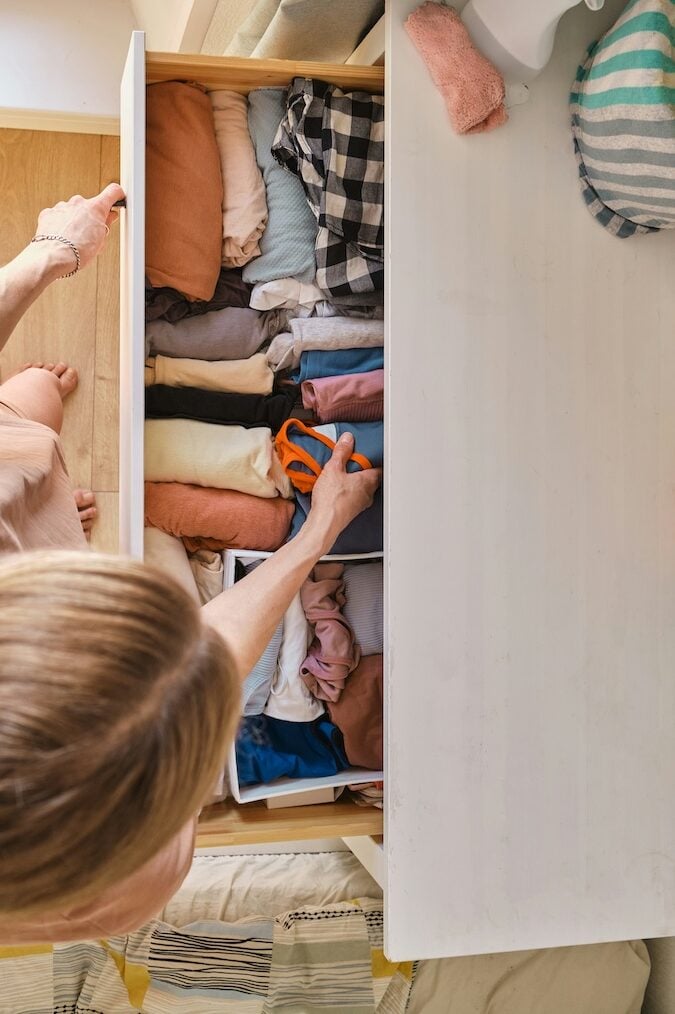
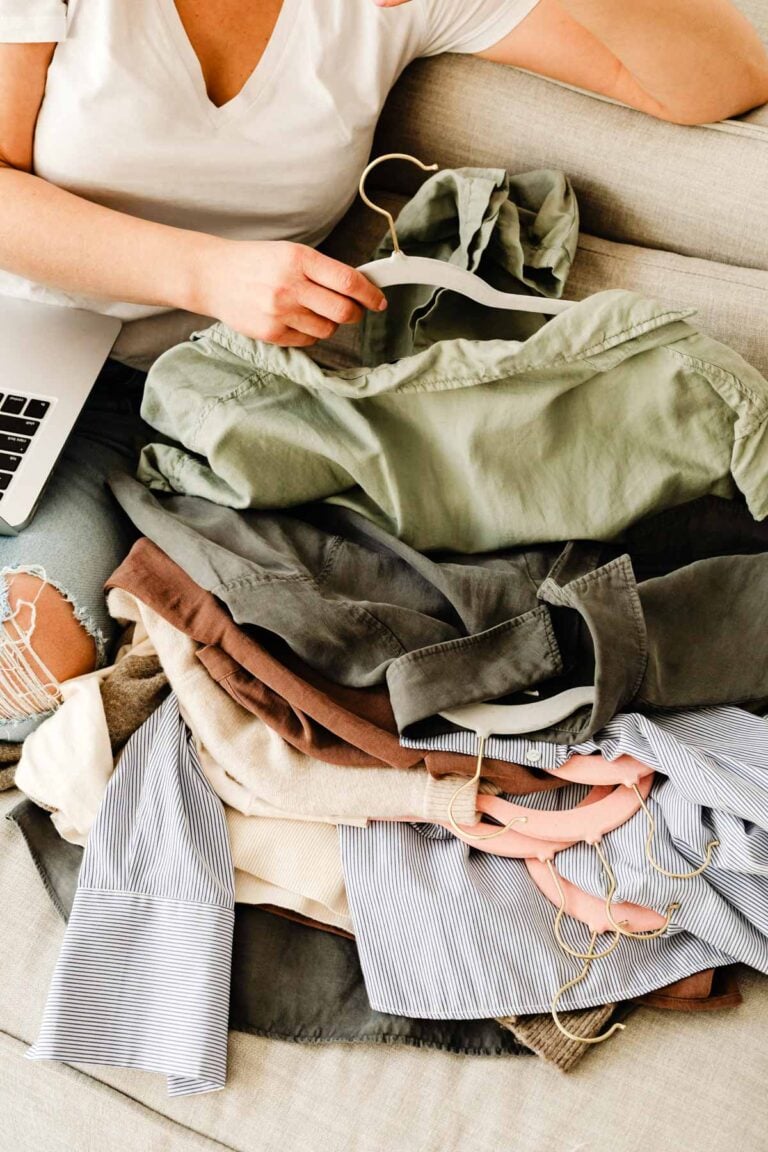
When I first started decluttering, I made all the mistakes. I went straight for my closet after a couple of stressful, sleepless weeks, only to end up surrounded by a mess of clothes, completely overwhelmed and second-guessing every decision.
It wasn’t pretty, but I got through it, and once I did, something shifted. For the first time, I felt the difference: a calm closet that made getting dressed easier and more enjoyable. That little win gave me the motivation to keep going.
Over the next year, I decluttered our entire home top to bottom, and since then, I’ve helped hundreds of other women do the same. From these experiences, I’ve created a system designed to help you move through your home efficiently and set up simple habits so the stuff (and overwhelm) doesn’t return.
A simple formula to declutter your home (and keep it that way)
Most decluttering advice tells you what to do (get rid of stuff, duh!) but not what to do with what’s left or how to keep clutter from coming back.
That’s where my SOS Declutter Method comes in. It’s a repeatable process you can use to help you declutter, organize, and maintain any space in your home. The process breaks decluttering into three key steps:
- Simplify: This is decluttering to the core. Keep what you use and love, and let go of the rest.
- Organize: Assign a logical home to everything left. Use bins and organizers you already own before buying new ones.
- Systematize: Implement boundaries and small habits to keep each space clutter-free moving forward.
This guide will show you how to apply the SOS Method in every room of your home—and more importantly, where to begin. If you get stuck along the way, visit my SOS Declutter Method Guide for a deeper dive and the questions I find most helpful for getting unstuck.
If you’re looking for a clear place to start, I put together a room-by-room declutter checklist that walks you through exactly what to let go of in each space.
Once you’ve simplified your stuff, the next step is making everything easy to find and put away. I share room-specific tips below, but these 10 Rules for Organizing Any Space might be helpful as well.
Before we dive in, let’s talk about pace, because decluttering an entire home will look different depending on the amount of space, time, and stuff you have.
Choose a decluttering timeline that fits your life
Every home (and season) looks a little different. Your timeline will depend on your space, energy, and what life looks like right now. This isn’t a race—it’s a guide to help you move forward at a sustainable pace.
If you live in an apartment or a smaller home
- Three-month plan: Focus on one area every 1-2 weeks, depending on the size and difficulty. If you finish ahead of schedule, repeat the cycle for a second round of editing and organization.
- Two-month plan: Declutter one room or category per week.
- One-month plan: Commit 20 minutes each day to a small zone (a drawer, cabinet, or closet), plus a few longer weekend blocks for bigger areas (like the kitchen, closets, and storage spaces).
If you live in a family home (3+ bedrooms)
Larger homes naturally take longer—there’s more stuff and more people. But unless you hire a home organizing crew, decluttering your whole home in one weekend isn’t realistic. Here’s a better way to plan it out.
- One-year plan: Declutter one room or category per month. Ideal if you’re balancing work, kids, or busy seasons.
- Six-month plan: Two rooms or categories per month. Start with easier spaces (entryway, bathrooms) and save the harder ones (garage, paper, sentimental items) for later.
- Three-month plan: One room or category per week.
- One-month sprint: Dedicate 15–30 minutes each day, plus focused weekend blocks. Best for smaller households or anyone who needs a deep, short-term push.
Tip: Focus on momentum, not perfection. Progress in one area (like your entryway or kitchen) will create motivation to tackle the next.
Once you’ve chosen your pace, it’s time to begin!
Where to start decluttering your home (and why the order matters)
Not all rooms are equal when it comes to decluttering. Some give you quick wins and visible progress, while others take more time and energy. The goal is to start where you’ll feel the biggest difference fastest—and build momentum from there.
Here’s the order I often recommend, but tailor it to your own priorities, schedule, and energy levels:
- Entryway & mudroom: Clears the path in and out of your home. Instant payoff every time you walk through the door.
- Bathrooms: Small spaces, quick wins, and lots of obvious tosses. Easy to check off and super motivating.
- Kitchen: The heart of the home. Simplifying here makes daily life run smoother and gives you visible results fast.
- Toys: If you have kids, do this next. Once toy clutter is under control, the living spaces and bedrooms will be (mostly) a breeze.
- Living spaces: Easier after toys are pared down. Clear surfaces and intentional storage make a big visual impact.
- Closets & clothing: High-impact but time-consuming. Start here once you’ve built some decluttering momentum.
- Bedrooms: With closets simplified, this step resets your space for better rest and calmer mornings.
Laundry & linens: Not glamorous, but simplifying these helps your home run more smoothly day-to-day. - Home office & paper: Mentally harder but high-impact. Best tackled once you’re in a groove.
- Storage areas (garage, basement, and attic): Save these for last. They’re big and emotional, but by this point, you’ll have the systems and stamina to handle them.
Remember, you don’t have to follow this order exactly. Start where it feels easiest and keep moving forward. Those early wins build your decluttering muscle and confidence as you go.
Helpful decluttering supplies
Having a few basic supplies handy will make the decluttering process smoother. Keep these nearby as you work:
- Trash bag: For obvious tosses and broken items.
- Donation box or bag: For the things you no longer want, need, or love.
- Recycle bin: For paper and packaging.
- Vacuum or handheld cleaner: For those crumbs and dust bunnies.
- All-purpose spray + cloth: Give surfaces a quick wipe down before you put items back.
- Timer: Keeps you focused and helps you avoid burnout.
How to Declutter Your Home: A Room-by-Room Guide
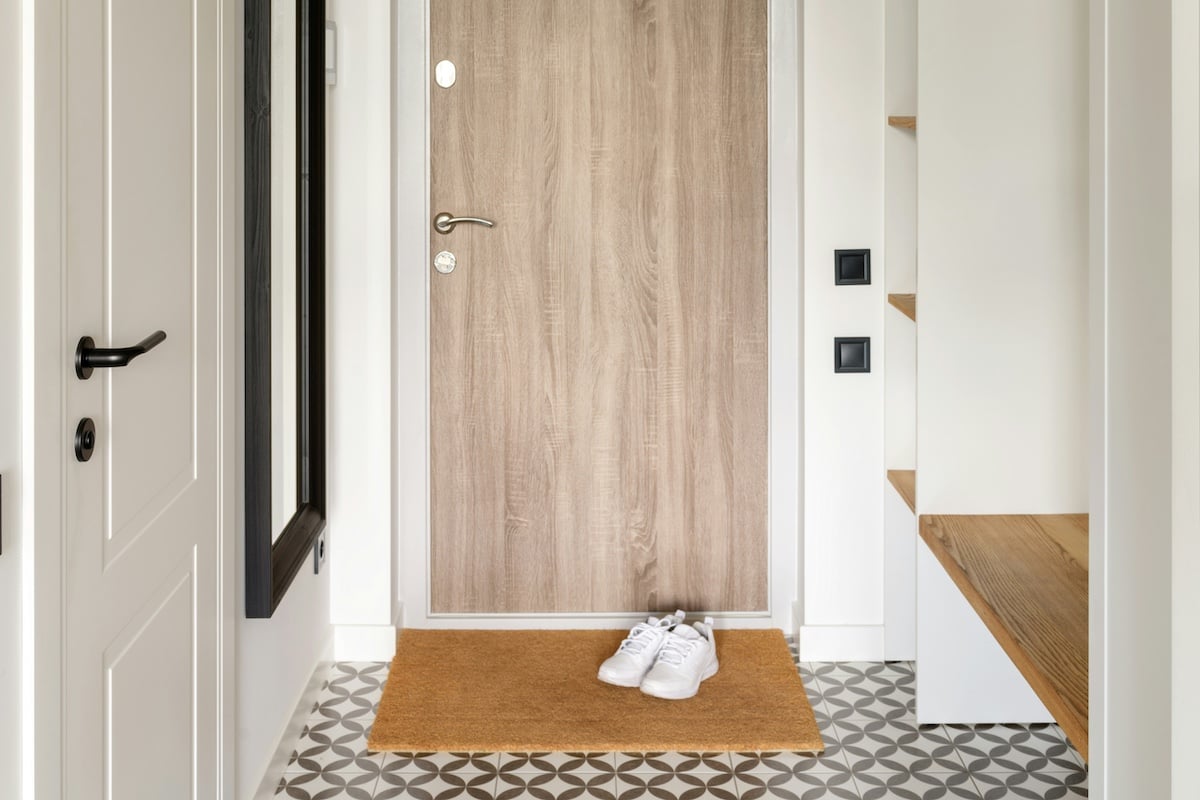
Entryway & mudroom
If there’s one spot that can make or break your morning, it’s the entryway. (Ok, maybe the kitchen, too—but let’s start with a quick win!) When shoes pile up, mail stacks high, and jackets are tossed everywhere, the house feels chaotic. But with a few simple systems in place, your entryway can become calm, functional, and easy to maintain—even on the busiest days.
Simplify: Start with a clean slate
Pull everything out—tables, hooks, cubbies, baskets, and shoe racks—and lay it all out so you can see what you have. Then edit with intention.
- Edit outerwear, shoes, and bags. Keep only what’s in season and worn most days of the week. Store off-season items elsewhere.
- Toss the unnecessary. Single gloves, duplicate water bottles, broken umbrellas, outgrown sports gear—let them go.
- Sort the paper clutter. Recycle or shred junk mail and put important papers in a tray or folder for follow-up.
Organize: Give everything a home
Once you’ve pared things back, think about how you use this space and organize for ease.
- By person: Give each family member a basket or hook for their own items.
- By category: Keep shared items like umbrellas, sunscreen, and dog leashes in labeled bins or baskets.
- Shoes: Use a slim rack, mat, or shared basket that fits only current pairs. If it doesn’t fit, it doesn’t stay.
- Keys and wallets: A small tray or wall-mounted hook keeps these from going missing.
- Mail and papers: Use a vertical sorter or small basket to corral mail until you’re ready to process it.
Systematize: Make it stay that way
Simple habits and clear limits are what keep your entryway organized long after the first declutter.
- Set limits: Let the space and season decide what stays—if it doesn’t fit or isn’t in use, it goes.
- Reset regularly: Every few days, line up the shoes, clear out mail, and return extras to where they belong.
- Rotate seasonally: Use seasonal changes as your cue for a bigger reset—swap coats, shoes, and accessories.
- Build family habits: Everyone is responsible for their own basket or hook. The simpler the system, the easier it is to maintain.
What works in our entryway & mudroom
- Hooks: For everyday jackets, bags, and backpacks.
- Individual baskets: One per family member for in-season accessories (hats, sunglasses, gloves, mittens in winter).
- Shared shoe baskets: One for adults and one for kids..
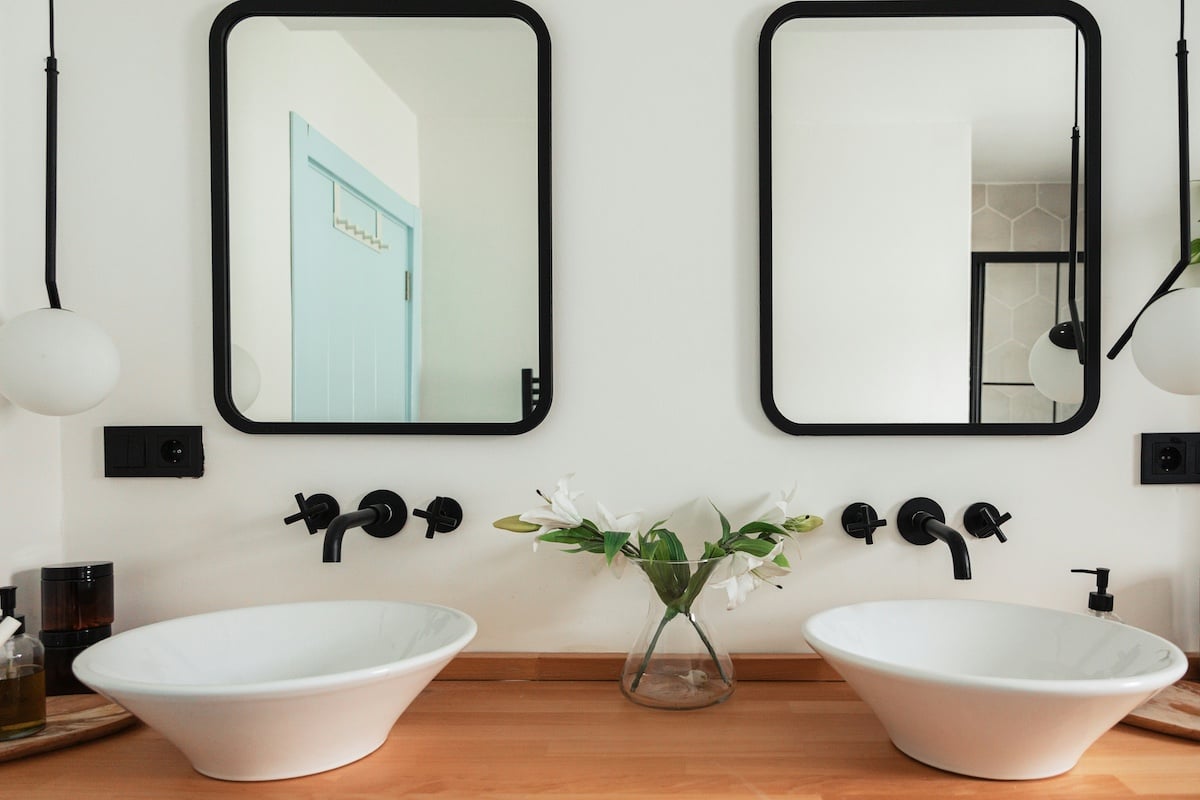
Bathrooms
If your bathroom always feels cluttered, it’s probably because it’s full of tiny items that multiply fast. Expired products, half-used bottles, and too many “just in case” backups can make mornings feel chaotic. But with a quick round of decluttering and a few simple systems, your bathroom can feel calm, clean, and easy to keep that way.
Simplify: Clear the clutter by category
Bathrooms are small, but the wins come fast. Working by category (not by cabinet) keeps the task quick and focused.
Group and edit. Tackle one category at a time. Toss extras, empty bottles, expired products, and half-used items you didn’t love. Five to fifteen minutes per category is usually enough for a full reset.
Here are the categories you’ll want to hit.
- Dental care
- Skincare and makeup
- Hair products and tools
- Deodorant and fragrance
- Medicine cabinet (medications and first aid)
- Shower and bath toiletries
- Shaving and grooming tools
- Travel-size products
- Cleaning supplies
Organize: Give everything a clear home
Once you’ve pared back, organize in a way that supports how you actually use the space.
- Daily essentials: Keep deodorant, lotion, sunscreen, and makeup together in a small bin or tray so everything you need to get ready is within reach.
- Hair tools: Use drawer dividers or small containers to keep tools, products, and accessories easy to grab and put away.
- Under the sink: Use clear bins or labeled baskets for backups, first aid, and cleaning supplies.
- Countertops: Keep them clear whenever possible—it makes cleaning easier (and cuts down on toothpaste splatter).
Systematize: Keep it tidy with small habits
Simple routines and limits make your bathroom easier to maintain long-term.
- Contain backups: Designate one small space for extras and restock only when something runs low.
- Nightly reset: Take 30 seconds to put things back and wipe down the sink before bed.
- Seasonal sweep: Twice a year, toss expired products and restock essentials.
What works in our bathrooms
- Drawer organizers: Keep everyday items tidy and easy to grab.
- One backstock drawer: The space sets our limit and makes restocking simple.
- Clear counters: We maximize our drawer space to keep counters as clear as possible for easy cleaning. Toothbrushes even live in washcloth-lined drawers that I refresh every week or two. Goodbye, grimy cups!
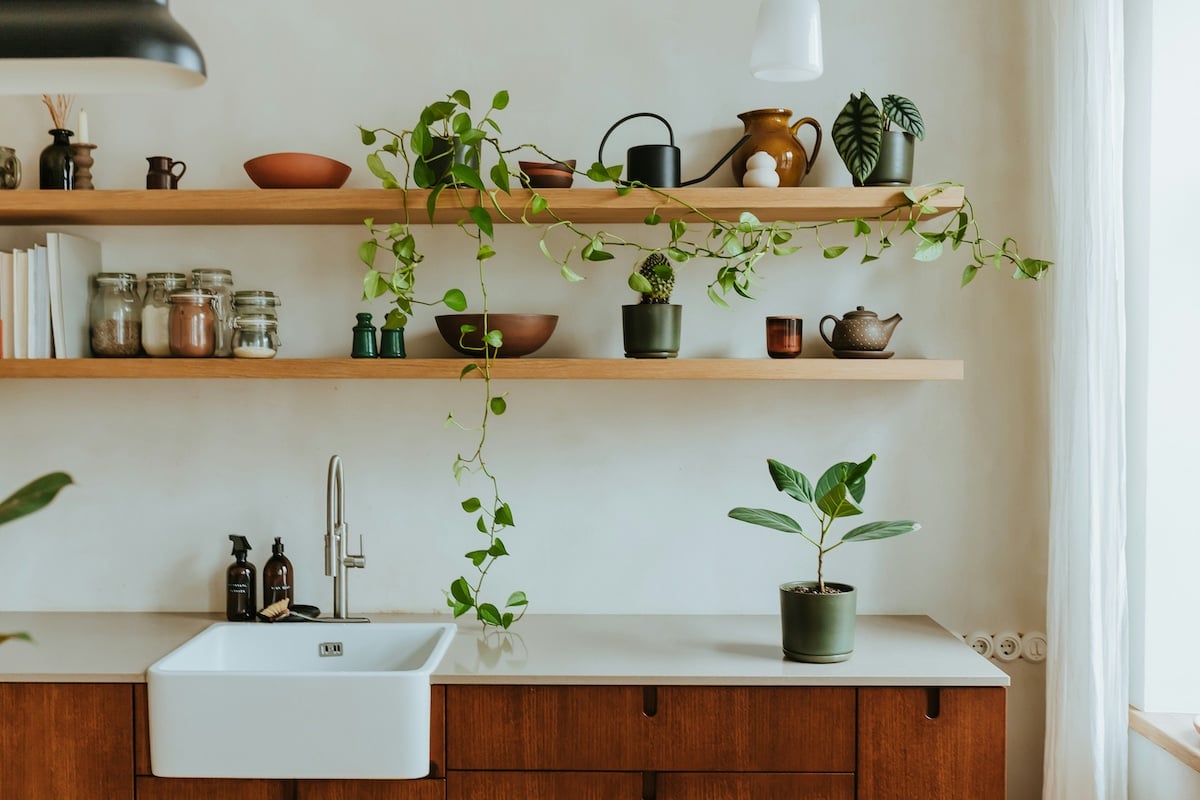
Kitchen
It’s where you start and end your day, and when it’s cluttered, everything feels harder. When your kitchen is clear, functional, and organized, cooking feels easier, cleanup goes faster, and your whole home runs more smoothly.
The quick decluter overview is below. If you want a deeper walkthrough, I’ve shared a full guide on how to declutter your kitchen, complete with a printable kitchen declutter checklist.
Simplify: Start small for quick wins
The kitchen can feel overwhelming, so work in short bursts, zone by zone, for 15-30 minutes each. Focus on easy wins first (countertops and drawers). Let go of mismatched containers, single-use gadgets you don’t often use, and tools you rarely reach for. A few small edits will free up space fast.
- Countertops: Clear everything that doesn’t belong (papers, personal belongings, knick-knacks or decor, and rarely-used appliances).
- Cabinets & drawers: Declutter by category (pots, dishes, utensils, servingware, etc.) to break the job up and make it easier to spot duplicates. Check out my kitchen declutter checklist for a full category breakdown.
- Pantry: Combine duplicates, toss expired foods, and make a plan to use up items that sounded good but have been sitting on your shelves a while.
- Fridge & freezer: Toss old condiments and mystery containers, and wipe as you go.
- Under the sink: Keep only what you use to clean this space; move extras elsewhere.
Organize: Store for ease and flow
Once you’ve pared down, organize based on how you use your kitchen.
- Keep tools near their zone of use: Store spatulas by the stove, cutting boards near prep space, and containers close to where you pack lunches or leftovers.
- Apply the 5/7 Rule: If you don’t use it at least five days a week, it doesn’t earn a permanent spot on the counter.
- Group like with like: Store snacks, baking supplies, and oils together. Use bins, baskets, or turntables to keep smaller items visible and easy to grab.
- Maintain breathing room: The less cluttered your counters, drawers, and cabinets, the easier it is to cook, clean, and put things away.
Systematize: Keep it running smoothly
A few simple habits will help your kitchen stay organized long after the initial declutter.
- Set limits: When a drawer or shelf is full, pause buying and use up what you have.
- Nightly reset: Spend 10-15 minutes after dinner clearing counters, loading the dishwasher, and wiping surfaces.
- Weekly tidy: Before grocery shopping, check the fridge and pantry, toss expired food, and note what needs restocking. Give the refrigerator a quick wipe-down before restocking.
- Seasonal reset: Every few months, give drawers and cabinets a quick declutter and wipe-down to keep things clean and tidy.
What works in our kitchen
- Less of everything: I’ve pared back significantly over the years and let a lot go. We keep only what we need and use, knowing we can borrow or buy for special occasions.
- Streamlined textiles: I keep just 3–4 dish towels in rotation at a time—they all get stained at the same rate anyway, and now I don’t have to battle an overstuffed drawer.
- Breathing room: Drawers and shelves aren’t overstuffed, making it easier to put items away and keep these spaces clean.
- The 5/7 rule: My go-to for keeping surfaces clear. Here’s how I use it.
- Nightly reset: A quick tidy after dinner makes mornings so much smoother.

Toys
If you don’t have kids, skip ahead to Living spaces!
Toys are one of the most significant sources of clutter for families—and one of the easiest to simplify. When toys overflow, playtime gets scattered, and cleanup becomes a battle. But with a good edit and a few simple systems, you can create play spaces that promote longer, more independent play and are quick and easy to tidy up.
Simplify: Edit by category, not by room
Tackle toys all at once instead of going room by room. Seeing everything together gives you a clearer picture of what your kids actually have and love.
To keep it manageable, I recommend avoiding the giant “dump it all out” pile and instead working on one or two groups at a time.
Break down the toys into the following categories and gather everything within that category into one room or area.
- Baby toys
- Dolls and stuffed animals
- Building toys
- Arts and crafts supplies
- Pretend play and costumes
- Vehicles and tracks
- Figurines and action figures
- Games and puzzles
- Active toys and sports gear
- Musical instruments
As you sort, let go of:
- Toys your kids have outgrown or no longer play with
- Broken toys and those with missing pieces
- Duplicates
- Novelty items that don’t hold attention
Keep the ones that spark imagination and stay in play rotation (like blocks, costumes, art supplies, active toys, and building sets).
Organize: Make play easy (and cleanup easier)
Once you’ve pared back, make what’s left visible, accessible, and simple to maintain.
- Create small play zones: Kids play where their people are, so keep a small selection of toys in shared living areas and in their bedrooms if your kids do quiet time.
- Contain by category: Small bins or baskets make cleanup easier (and keep LEGO from taking over).
- Label simply: Picture or word labels help even young kids know what goes where.
- Rotate regularly: Store extras in a bin or closet and swap them out every few weeks to keep things fresh and fun.
Systematize: Keep clutter from creeping back
A few small boundaries can keep toys under control without constant effort.
- Be intentional: Choose quality over quantity and focus on open-ended toys that grow with your kids.
- Try the one-in, one-out rule: When a new toy comes in, donate one (or two!) that have broken, been outgrown, or are not being played with as much anymore.
- Set space limits: When baskets or bins start to overflow, it’s time to edit.
- Tidy-up habits: We do two quick resets—one midday and one at bedtime. Five minutes is plenty if everyone helps.
- Seasonal swaps: Rotate toys with the seasons or as interests change to keep playtime exciting without adding more stuff.
What works in our home:
- Open-ended toys: We focus on toys like costumes, Magna-Tiles, art supplies, sports gear, and fort-building staples like cushions and blankets, where play can be more creative and open-ended.
- Fewer characters: We’ve minimized character-centered toys, gear, and clothing as we’ve found the less exposure they have, the less they ask for them.
- Experience gifts & group gifts: We ask family for experience gifts or contributions toward bigger items instead of lots of small ones.
- Play zones: We’ve set up a few intentional play zones around the house to keep toys from taking over and help the kids stay more focused.
Living spaces
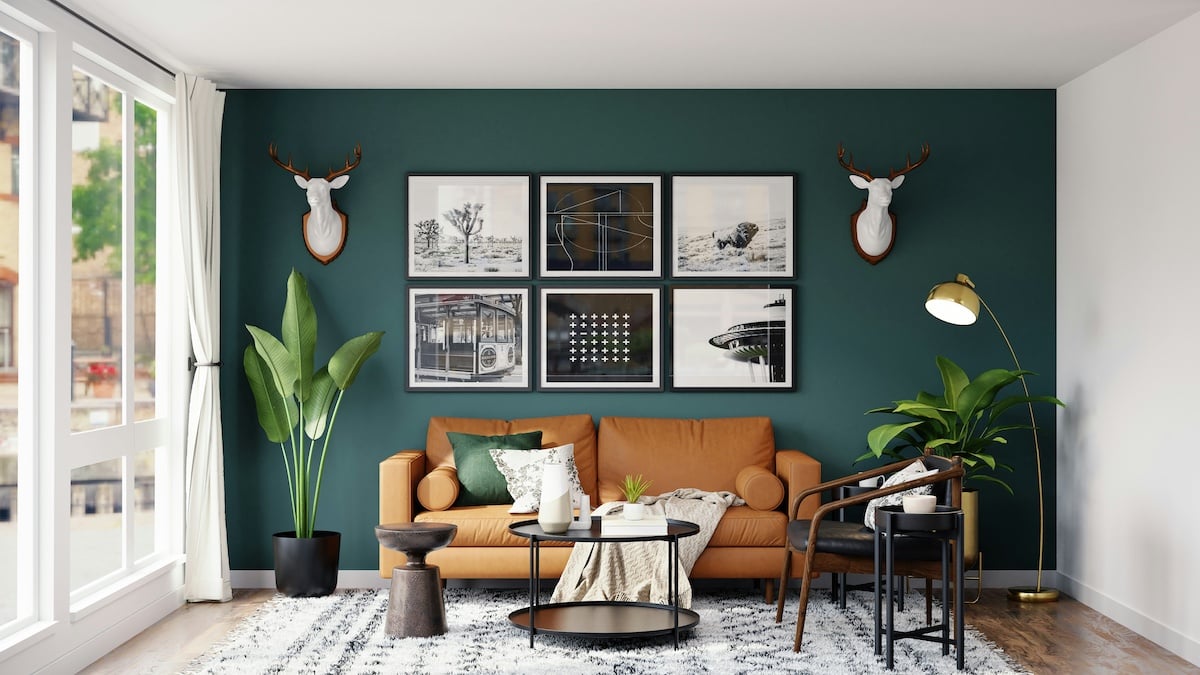
Living and family rooms tend to collect everything—books, toys, papers, random cords, yesterday’s mugs. When these areas feel cluttered, it’s hard to relax. The good news? A simplified living room will instantly make your whole home feel calmer, cleaner, and more spacious.
Simplify: Start with the surfaces
Begin with what you see first: coffee tables, side tables, entertainment centers, and open shelving.
- Rehome what doesn’t belong: Return misplaced items to their proper homes. If something doesn’t have a home, give it one.
- Clear the surfaces: Remove everything, then put back only what you truly use or love.
- Edit décor and extras: Too many decorative items can make a space feel cluttered. Keep what adds warmth or meaning, and let go of the superfluous stuff.
- Tackle hidden clutter: Sort through baskets, drawers, or media consoles that collect random things like remote controls, spare cords, and old CDs and DVDs. Edit one category of items at a time so you can spot duplicates and have a clear idea of what you have.
- Look around at the furniture: If a piece isn’t used or serving a purpose and is just there to fill space, it might be time to let it go. Fewer, more functional pieces will make your living room feel visually lighter and more open.
Organize: Create calm and function
Once you’ve cleared the visual clutter, give everything that remains an intentional home.
- Keep surfaces clear: Display only a few favorite books or décor pieces. Your living spaces should give “breathing room,” not “showroom” vibes.
- Contain the small stuff: Use baskets or bins to group smaller everyday items like remotes and chargers.
- Define drop zones: If this room attracts clutter, create one small basket or tray for stray items rather than letting it spread.
- Consider storage furniture: Ottomans and benches with hidden compartments or lidded baskets work well for storing everything from small dumbbells and toys to your favorite cozy but not-so-cute throw blankets.
Systematize: Keep it feeling peaceful
A few simple routines will help your living spaces stay inviting with minimal effort.
- End-of-day reset: Spend a few minutes returning items to their homes before you wind down for the night.
- Declutter seasonally: Reassess throw blankets, books, and décor as the seasons change.
- Set clear limits: Let your surfaces, shelves, and baskets define how much you keep. When they’re full, it’s time to edit.
- Tidy as you go: When you leave the room, take something with you that belongs elsewhere.
What works in our family and living rooms
- Minimal décor: We display only a few favorite books, photos, and plants—just enough to feel warm and personal, but not cluttered.
- Hidden storage: Baskets corral remotes; drawers hold toys; and storage benches and tables hide our not-so-cute but cozy blankets.
- Daily reset: We do a quick tidy each night so the space feels calm and ready for the next day. Everyone helps return items to their own baskets or rooms.
Closets & clothing
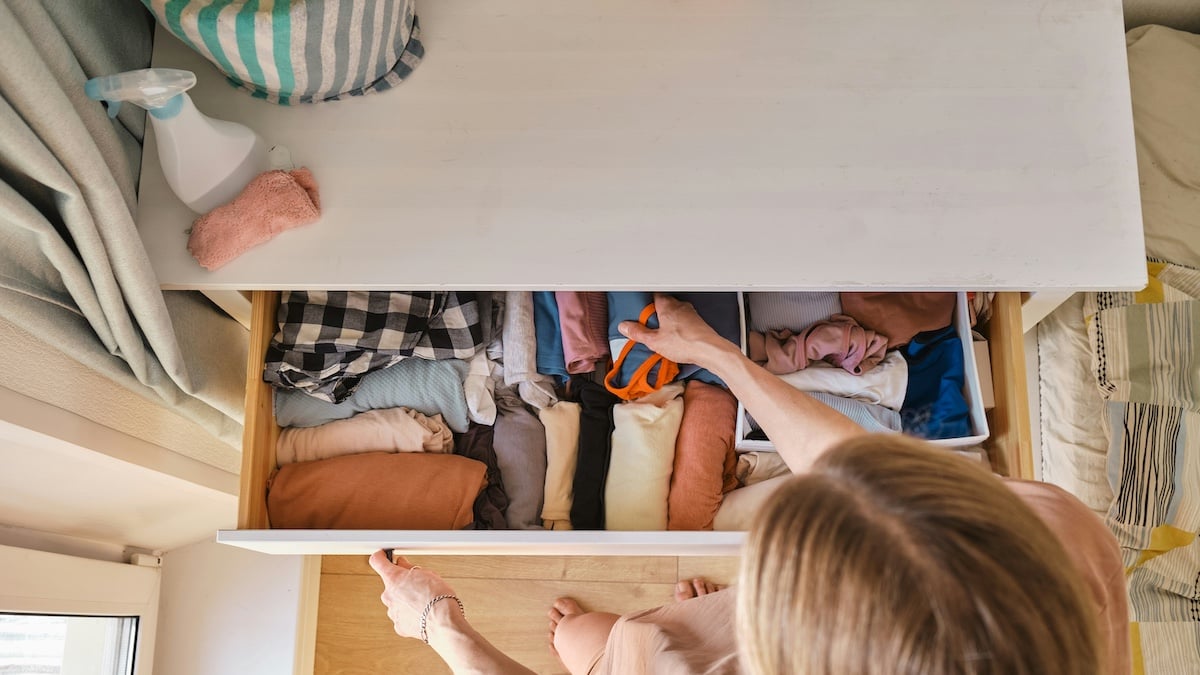
Closets are one of the most satisfying spaces to simplify—but also one of the easiest to overcomplicate. When your wardrobe is stuffed with “someday” clothes or things you don’t actually wear, getting dressed feels harder than it should. A decluttered closet and dresser will give you time back every morning and make your space feel lighter.
If you get stuck on individual pieces, my guide on how to declutter clothes walks through the seven questions I use to decide what to keep or let go of, and even includes a fun clothing declutter flowchart you can print or click through.
Simplify: Start with what you wear most
Pull everything out—or, if that feels overwhelming, start with one category at a time (tops, pants, shoes, accessories).
- Edit by frequency: Keep what you wear weekly, not what you hope to wear someday.
- Be honest: If it doesn’t fit, flatter, or suit your current lifestyle, let it go.
- Assess duplicates: You probably don’t need five black sweaters. Keep your two favorites and donate the rest.
- Separate by season: Move off-season items out of the way to make space for what you actually reach for.
- Let go of guilt: It’s okay to part with things you spent good money on or used to love but no longer wear. Decluttering will make more space for what serves you now.
Organize: Make it effortless to get dressed
Once you’ve pared down, organize your closet for visibility and ease.
- Group by category and color: Grouping like-with-like helps you find what you need and makes getting dressed faster and easier.
- Prioritize accessibility: Keep everyday items front and center. Store dressier or occasional pieces toward the back, on higher shelves, or in lesser-used drawers.
- Choose matching hangers: It’s a small change that instantly makes your closet look cohesive and tidy.
- Contain accessories: Use small bins, hooks, or drawer dividers for scarves, belts, and jewelry so they don’t end up tangled and unworn.
- Store off-season items: Keep off-season clothing in labeled bins or a secondary closet to avoid daily visual clutter.
Systematize: Maintain your closet with ease
Small, consistent habits are what keep your closet from becoming crowded again.
- Adopt the one-in, one-out rule: When something new comes in, something else goes out.
- Seasonal reset: At the start of each new season, take ten minutes to assess what’s working, what’s not, and what might need replacing.
- Keep a donation bag in your closet: Having a “donation station” right where you keep your clothes makes it easy to declutter in the moment.
- Simplify your style: Create a few outfit formulas you love to reduce decision fatigue and make getting dressed easier.
What works for our closets & clothing
- Capsule wardrobes: Each of us has a small wardrobe of seasonal clothes we actually wear and love.
- Seasonal storage: Off-season pieces live elsewhere, so our everyday closet space stays uncluttered.
- Dual-purpose closet space: Since smaller wardrobes leave extra room, many of the kids’ personal items and books live in their closets too, keeping their bedrooms visually uncluttered and easy to keep clean.
- Functional design: Shelves, drawers, and low-hanging space eliminate the need for bulky dressers.
- Seasonal resets: In early spring and fall, I swap out our spring/summer and fall/winter wardrobes and declutter anything we haven’t worn as part of the process. Here’s a closer look at my seasonal wardrobe reset.
Bedrooms
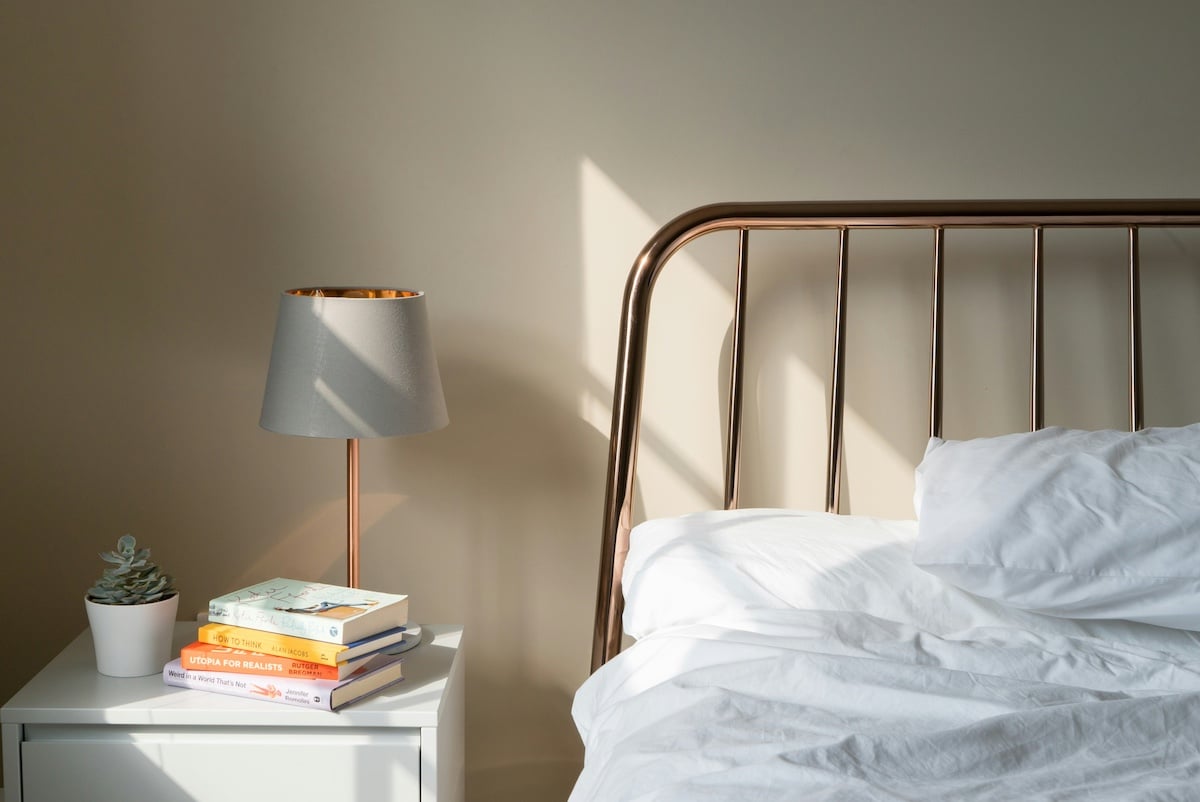
Bedrooms should feel like a retreat, but too often they become catch-alls for laundry, piles of clothes, and random clutter with no home. When your room is crowded or chaotic, it’s harder to rest well and can make the start of your day feel more chaotic. Simplifying your bedroom helps create a space that actually feels restful and is easy to maintain.
Simplify: Clear the visual clutter first
Focus on what you see when you walk into the room—floors, nightstands, and surfaces.
- Begin with the bed: Making the bed will instantly make your room feel less cluttered. It also gives you a quick win to build momentum and more space to work.
- Edit what doesn’t belong: Return laundry, paperwork, and other non-bedroom items to their proper spots.
- Clear off surfaces: Remove stacks of books, water glasses, and random items that collect on nightstands or dressers.
- Declutter furniture: If you have extra chairs, dressers, or tables you don’t use, consider letting them go for more breathing room.
- Simplify your decor: Keep only the art, photos, textiles, and decor that you genuinely love and make the space feel peaceful.
Organize: Prioritize calm and function
Once the clutter is cleared, focus on creating systems that make daily life easier.
- Keep surfaces minimal: A lamp, book, and maybe a small plant or candle—less visual noise means a more calming space.
- Corral bedside essentials: Use a small tray or basket for items like chargers, lotion, lip balm, and your current book.
- Contain the clothes: Put dirty clothes straight into the hamper, and designate a hook or drawer for those not-quite-dirty items you’ll wear again. Keeping them off surfaces will help your room stay tidy and calm.
- Use hidden storage: Utilize under-bed or secondary closet space for off-season bedding or rarely used items.
Systematize: Keep the calm going
A few small habits will help your bedroom stay clutter-free and peaceful.
- Daily reset: Take two minutes each morning to make the bed and clear surfaces.
- Evening tidy: Spend five minutes putting away clothes and setting out tomorrow’s outfit.
- Laundry rhythm: Wash, fold, and put away on a set schedule to prevent buildup.
- Seasonal refresh: Rotate bedding and declutter surfaces and nightstands each season.
What works in our bedrooms
- Nightstands with storage: I chose nightstands with a built-in shelf and drawer so there’s space to tuck things away instead of leaving them on top.
- Laundry rhythm: Dirty clothes go straight to the laundry room that night or first thing the next morning. Designated hooks or drawer space contain clothing that can be worn again before washing, so they’re not left on furniture or the floor.
- Wall storage for the kids: Each kiddo has an IKEA wall organizer behind their desk to hold everything from pencils and art supplies to trophies and special photos.
- Evening reset: A simple one-minute tidy before bed helps the room stay restful.
Laundry & linens
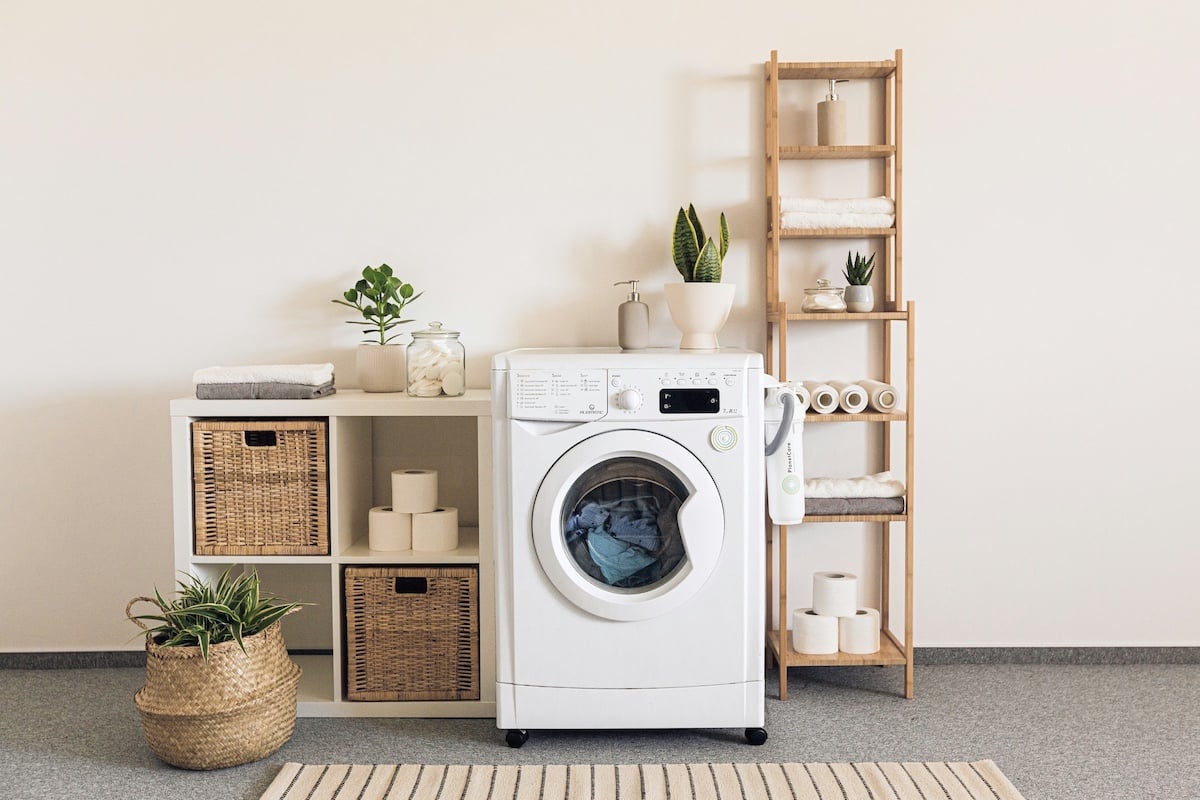
When laundry rooms and linen closets get cluttered or disorganized, the most basic chores feel harder. A few small tweaks can turn these areas into functional spaces that make day-to-day life easier.
Simplify: Start with what you actually use
Declutter one area or shelf at a time so it feels manageable.
- Edit your laundry products: Keep only the detergents, stain removers, and cleaning supplies you truly use. Donate or discard the half-empty bottles that didn’t make the cut.
- Declutter surfaces: Keep counters and the tops of your washer and dryer clutter-free for easier folding and spot-cleaning.
- Toss worn-out linens: Retire old towels and sheets to the rag bin or donation pile.
- Check bulk storage: Use up the supplies you have before buying more.
Organize: Make it easy to grab, wash, and store
Once you’ve pared back, focus on accessibility and flow.
For laundry:
- Streamline the workflow: Keep hampers (or baskets), folding space, and supplies close together so laundry is efficient.
- Contain by category: Use baskets or bins to keep laundry supplies and cleaning tools together.
For linens:
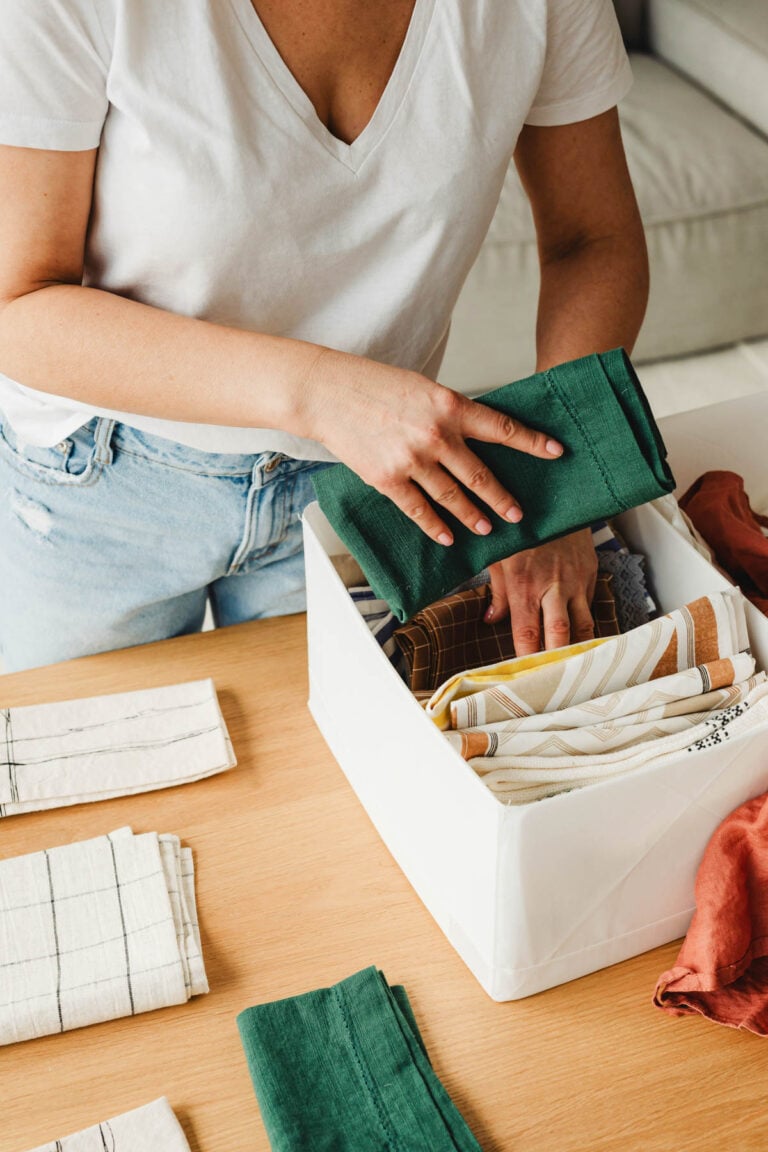
- Keep sheet sets together: Store sheets and pillowcases from each set inside one pillowcase for easy access.
- Keep backups minimal: One or two extra sets of sheets and towels per bed or person is usually plenty.
- Maximize shelf space: Fold towels and sheets neatly, storing by size or set. If space is tight, consider under-bed, bedroom closet, or hall closet storage for extras.
Systematize: Build simple rhythms
A few small systems will keep laundry and linens from piling up again.
- Laundry rhythm: Find a routine that works for your family—one load per day, one day a week for all laundry, or assigned days by person or category (towels one day, bedding another).
- Fold immediately: Put fresh laundry away before the end of the day to prevent piles from forming.
- Quick reset: Wipe down machines, refill detergent containers, and tidy shelves every few loads. It takes less than five minutes, but keeps these spaces clear and running efficiently.
What works in our home:
- Daily load: Laundry never becomes overwhelming because it’s part of our daily rhythm. Most days, we start a load in the morning and finish by folding and putting it away by evening.
- No hampers: I ditched hampers years ago after realizing they were just containing laundry clutter. We now keep two baskets on top of the washer and dryer—one for darks, one for lights. When a basket is nearly full, that’s my cue to run a load.
- Limited linens: We keep two sheet sets per bed and two towel sets per person. Our backups double as guest towels when we have visitors. On the rare occasion we have a very full house, we can borrow from friends or neighbors.
- Labeled shelves: Laundry supplies, extra sheets, and towels each have a designated shelf, and cleaning rags live in a bin under the laundry sink. Everything has a place.
- Clean surfaces: I do my best to keep the laundry room counters and the sink clear so they’re always ready for folding or spot-treating. Otherwise, those little tasks get put off and create more work for future me.
Home office & paper
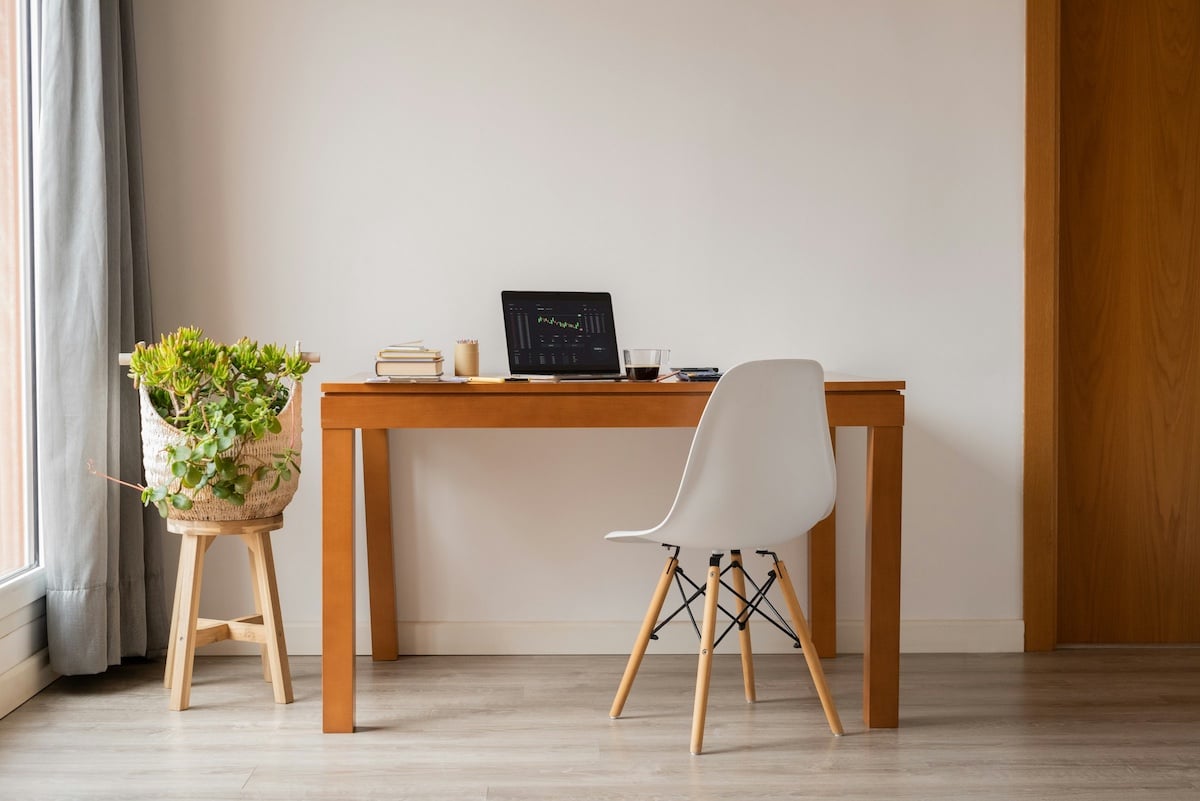
Paper is tricky because it’s constantly coming in, and every single piece requires a decision. And when papers pile up, your desk usually follows. A cluttered workspace doesn’t just make work feel harder; it drains your focus, energy, and productivity. Simplifying your papers and office will make you more efficient, and your work will feel lighter and easier to manage.
Simplify: Start with surface clutter and quick wins
Begin where you can see progress quickly—the top of your desk, your command center, or the paper piles that drive you most crazy.
- Clear the surfaces: Remove everything from your workspace and put back only what you need daily.
- Downsize your supplies: Keep just a handful of pens or pencils and one or two of your go-to office essentials handy. Store the extras elsewhere so they don’t clutter your desk or drawers.
- Sort and purge the paper piles: Create simple categories: to file, to do, follow-up, to shred. Toss things that can be recycled, like old receipts, catalogs, instruction manuals, and past bills. Keep only what you legally need or may reference again.
Organize: Create systems that support you
Once you’ve pared back, design simple, intuitive systems you’ll actually maintain.
- Create a drop zone: Designate one spot for incoming mail or school papers to prevent piles from spreading.
- Keep active papers visible: Use a small tray or vertical file for current projects or bills due soon.
- File for function, not perfection: A few broad categories (Home, Work, Kids, Health, Finance) are easier to maintain than detailed subfolders.
- Digitize what you can: Scan important documents and store them in clearly labeled folders on your computer or cloud storage.
- Contain supplies: Use drawer organizers to contain the office supplies you regularly use and store extras elsewhere.
Systematize: Keep the paper from coming back
Paper will always be a potential source of clutter, but a few simple systems and habits can keep it from taking over again.
- Weekly paper review: Spend 10–15 minutes sorting mail, filing what’s needed, and recycling the rest.
- Create one “to-do” folder: Give everything that needs action a home until it’s handled to prevent important papers from going missing. A “follow-up” folder can also be helpful for items you’re waiting on after you’ve taken initial action.Go paperless if possible: Opt for digital billing and statements to reduce incoming clutter.
- Set limits: When a file, drawer, or bin is nearly full, you probably don’t need more paper storage, just a good declutter.
What works in our home:
- One spot system: All incoming papers land on the kitchen island, and we process them before the end of the day. (Truthfully, if I put them in a tray, I would most likely ignore them!) Our papers almost always have one of three outcomes—recycle, take action, or file/archive. I share more about our paper system in my behind-the-scenes kitchen tour on Substack.
- Paper-free habits: Going digital for most bills, school updates, and receipts has drastically reduced the physical paper load.
- Simple categories: Our file system for physical paper is broad (Home, Work, Health, Finance, Kids, by year). We don’t have much, so these broad categories are easy to maintain.
- Digital storage: We scan key documents and keep them organized in Google Drive folders for easy access.
Storage spaces (garage, basement, & attic)
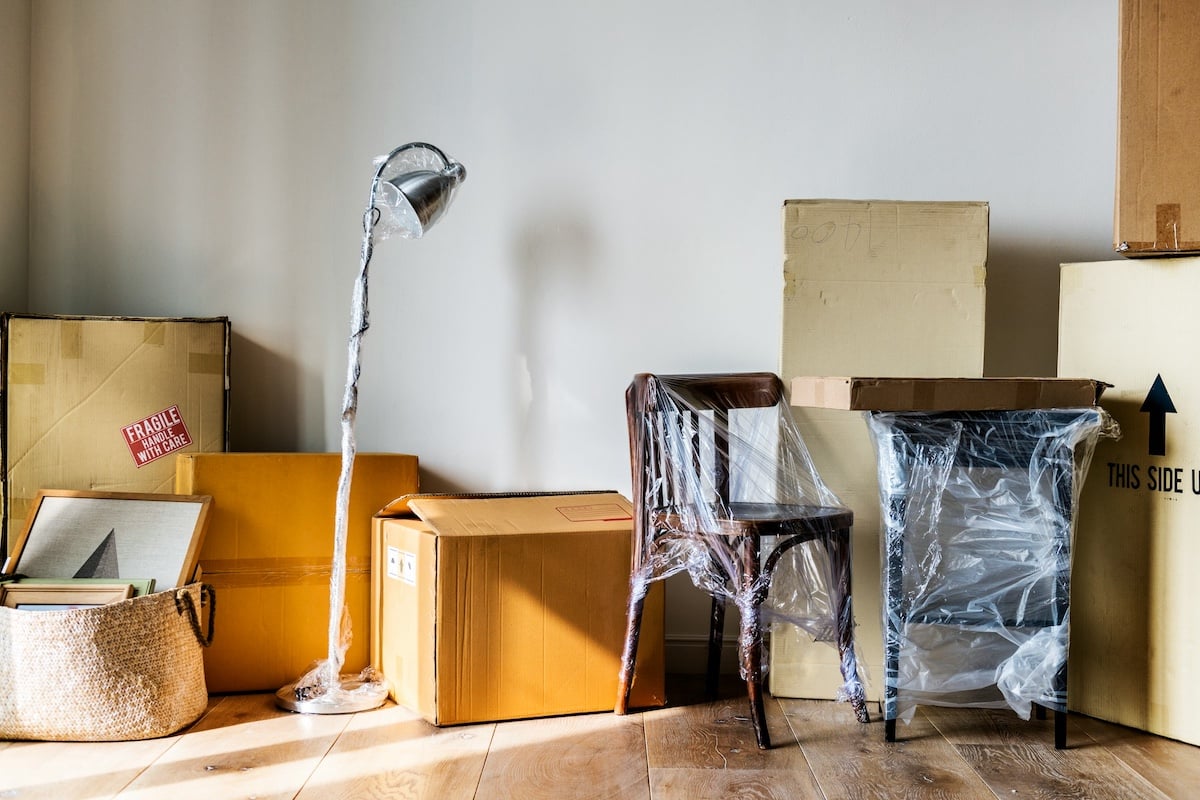
Garages, basements, and attics have a sneaky way of becoming holding pens for clutter. They fill with outgrown gear, old furniture, abandoned projects, and boxes of sentimental items you haven’t opened in years. Eventually, you can’t park the car or find what you’re looking for, and the weight of it all starts to feel, well, heavy. Clearing these spaces will give you back both physical and mental space.
Simplify: Start with the big stuff
When you’re dealing with a large or cluttered space, a few simple wins early will build momentum.
- Start with large items: Getting rid of the big stuff (old sporting equipment, extra furniture, baby gear, etc.) instantly makes the space feel lighter. If you can sell a few things, that extra cash will make it feel even more rewarding.
- Work one zone or category at a time: Break big spaces into smaller zones and tackle one at a time. If you come across something you’re unsure about or know you’ve got more of that category somewhere else, set it aside. Keep going until you can see the whole picture. It’ll be easier to make decisions once everything’s out in the open.
- Be honest about “just in case” items: If you haven’t used it in the past year or even forgot it was there, you probably don’t need it.
- Declutter sentimental items last: These take the most emotional energy. If you don’t know where to begin, start with my guide on how to declutter sentimental items and consider asking a friend, family member, or professional organizer for support.
Organize: Create order and visibility
Once you’ve cleared the excess, give what remains a clear, functional home.
- Use shelves and bins: Keep items off the floor and label everything clearly. Clear bins make it easy to see what you have at a glance.
- Group like with like: Store items by use or season (camping gear, home improvement tools, sports equipment, holiday decor, etc.)
- Store vertically: Pegboards, hooks, and wall-mounted shelving maximize space and make things easier both to see and grab.
- Create a donate/sell zone: Keep one bin for items you’re ready to pass along—it makes ongoing editing easier.
- Avoid mystery boxes: Label everything so you don’t have to reopen the same boxes year after year.
Systematize: Keep clutter from creeping back
Simple systems help you maintain your storage spaces without a major overhaul every year.
- Do a quick pass each season: As you swap seasonal gear or decor, declutter what didn’t get used.
- Label and date boxes: Add a year to each label. If you haven’t opened it by the next move or season, it might be time to let it go.
- Set a boundary: When a shelf, bin, or wall rack is full, something must be removed before adding more.
- Schedule a reset: Block one weekend each year to tidy, sweep, and reassess your stored items.
What works in our storage spaces:
- Big-item edits: We started with baby gear and bulky sporting equipment to immediately free up usable space.
- Labeled bins: Items we don’t use regularly (like holiday decor and sentimental belongings) are stored in clearly labeled containers or boxes by category.
- Vertical storage: Wall hooks hold tools, ladders, and sports gear, keeping the floors clear and shelves free for boxes and bins of smaller items.
- Seasonal sweeps: Each spring and fall, we do a quick edit and donate or sell what we didn’t use
If you’re feeling inspired to declutter your home, start small—pick one room or category and give yourself a quick win today. The momentum will build from there.
Want more support?
Check out my home declutter checklist for a clear plan and place to start. For more room- and category-specific guidance, I also have these great, detailed guides: