
The Minimalist Wardrobe Checklist for Women
Want a more minimalist wardrobe? Here are the pieces worth owning, how many you need, and how to make them work for your personal style—plus a free printable checklist.

Letting go of most of my wardrobe felt daunting at first, but it’s been one of the most freeing things I’ve ever done. With fewer, better pieces, getting dressed has become something I actually look forward to—and it’s helped me discover a personal style that truly feels like me.
If you want to create a capsule wardrobe, start with the pieces you already wear using my guide, How to Build a Capsule Wardrobe, then use the flowchart in my guide on how to declutter clothes when you’re ready to tackle the rest.
What is a minimalist wardrobe (and why it works)
A minimalist wardrobe isn’t about owning less just for the sake of it. It’s about owning pieces you love that work so well together that less feels like enough—and getting dressed actually becomes fun.
If you’re new to the concept of a simplified wardrobe, this capsule wardrobe guide is also a good resource!
How many pieces are in a minimalist wardrobe?
Most minimalist wardrobes have between 30 and 60 pieces, including tops, bottoms, dresses, layers, outerwear, shoes, and everyday accessories.
There are different ways to approach it. Project 333 encourages wearing just 33 items for three months, while the 30/30 rule works around a collection of 30 pieces of clothing and 30 accessories.
If that kind of structure simplifies things for you, it can be helpful. Personally, I don’t follow a strict piece count because it just feels like another rule to manage. Instead, I focus on building a closet filled with pieces I love and regularly wear.
The minimalist wardrobe checklist for women
Below is a list of pieces worth considering as you build and refine your minimalist wardrobe. You don’t need every item — think of it as a guide, not a rulebook. Not a blazer person? Skip it. The goal is a closet that feels cohesive, practical, and aligned with your style.
Looking for where to shop? Here are 30 minimalist clothing brands worth knowing.
Tees & tanks (7-10)
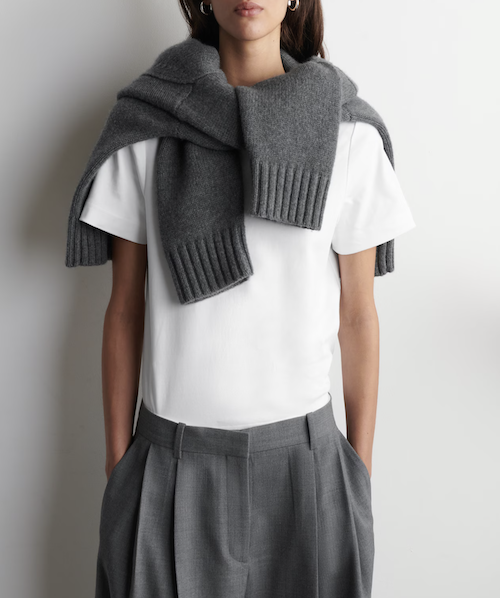
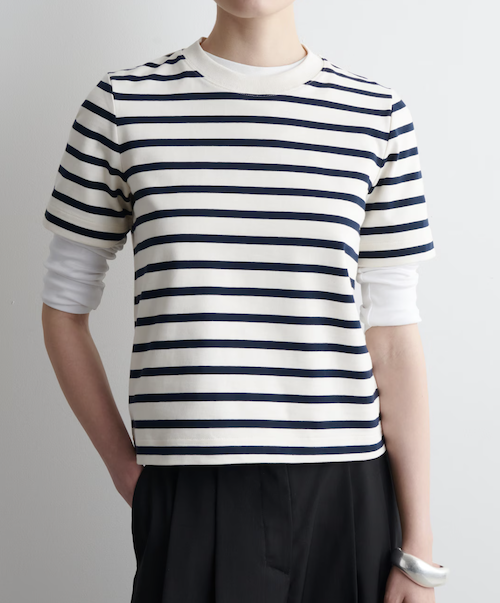
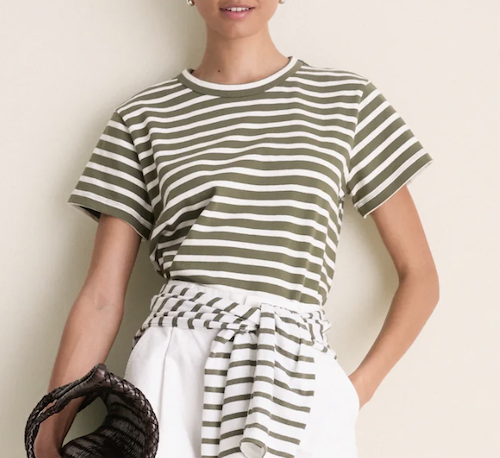
- Everyday tees: Well-cut tees in a few different fits/colors that work with the rest of your wardrobe. These are the backbone of most of my outfits.
- Graphic, striped, or printed tee: Something that adds personality or interest to a simple outfit.
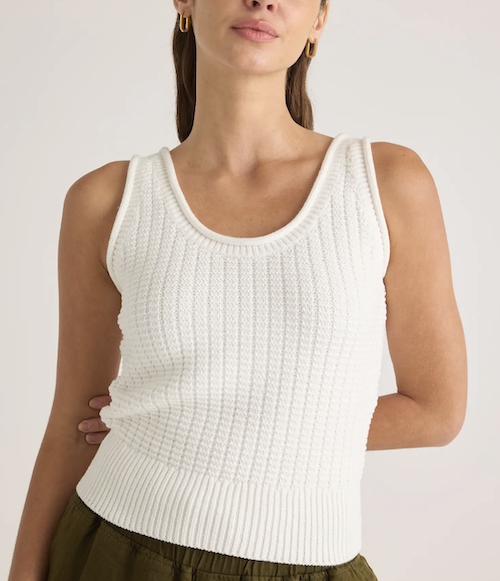
- Layering tanks or bodysuits: Fitted base layers for wearing under sweaters, button-downs, or blazers. Look for smooth fabrics like cotton, linen, or merino wool that don’t add bulk.
- An elevated sweatshirt or casual pullover: Comfortable, but not sloppy. Shape and structure matter.
Tops & Blouses (3-5)
- An elevated top or blouse: Pieces that make you feel a little more put together without much effort. Look for thoughtful details—a structured collar, premium fabric, flowy drape, subtle texture, or an interesting neckline.
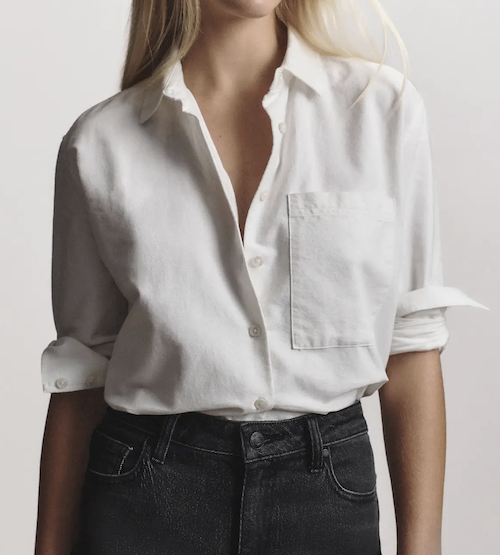
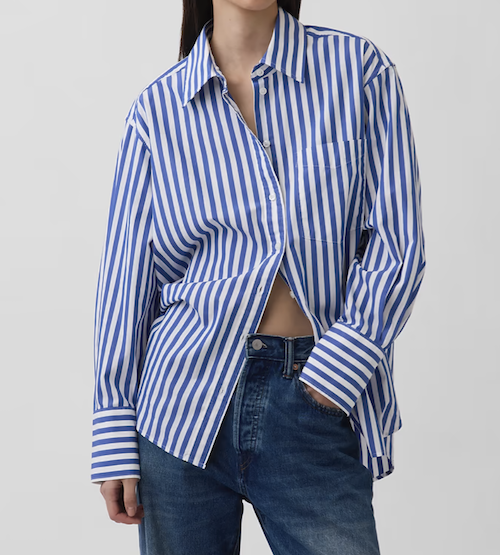
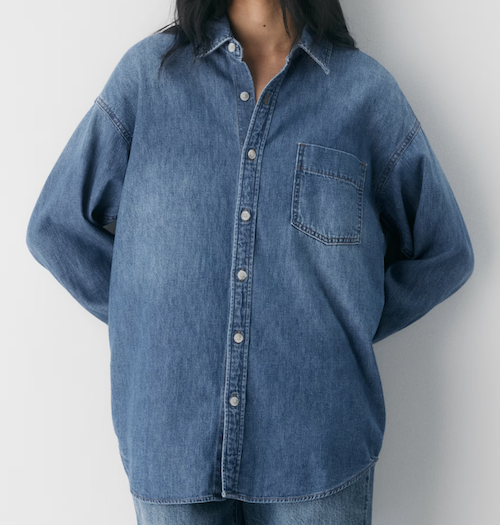
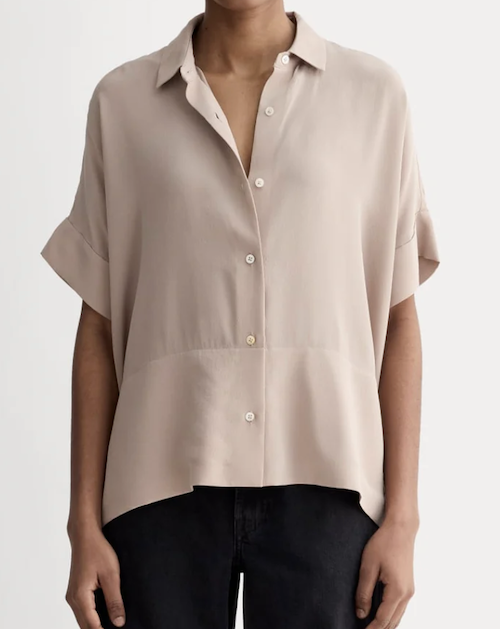
- A classic button-down: Great layered under sweaters, worn open over a tank or summer dress, or styled half-tucked with denim. Consider whether you’re more of a crisp or relaxed button-down person—it can make all the difference.
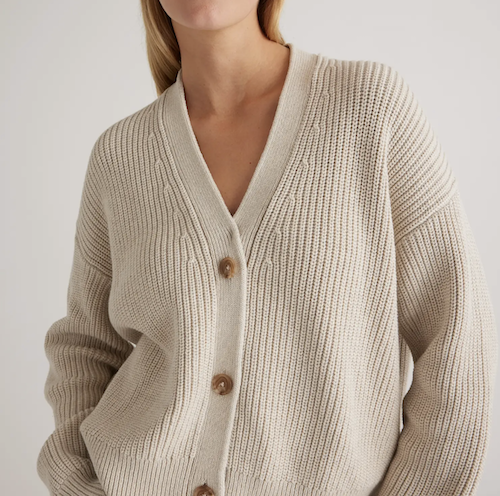
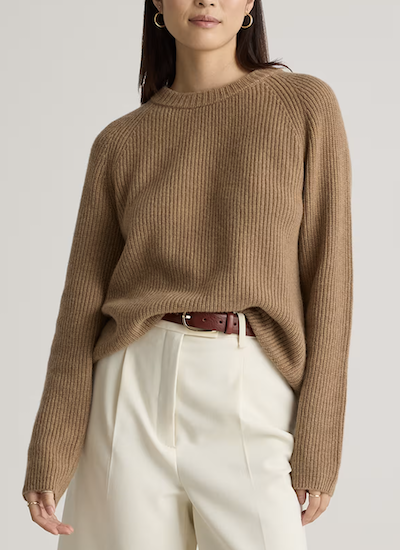
Sweaters (3-5)
- Lightweight sweaters: Ideal for warmer months in spring and summer
- Cozy knit or cashmere sweaters: Best for colder months
My picks
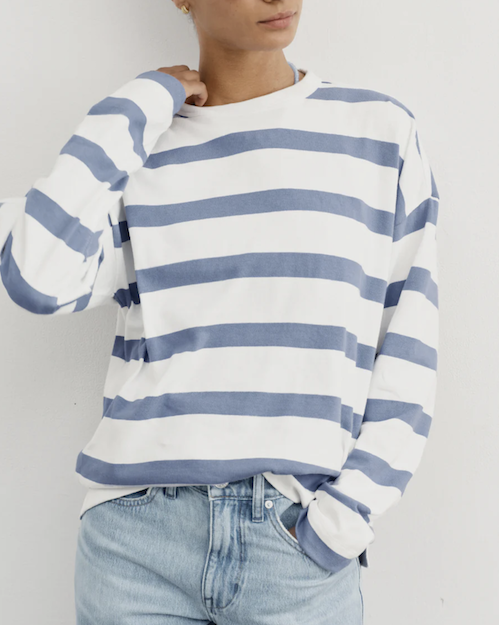
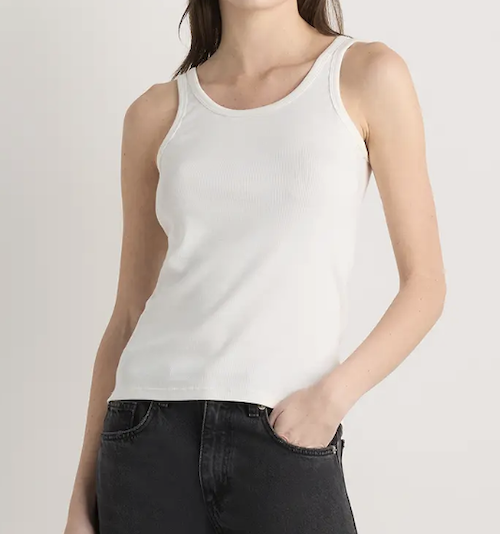
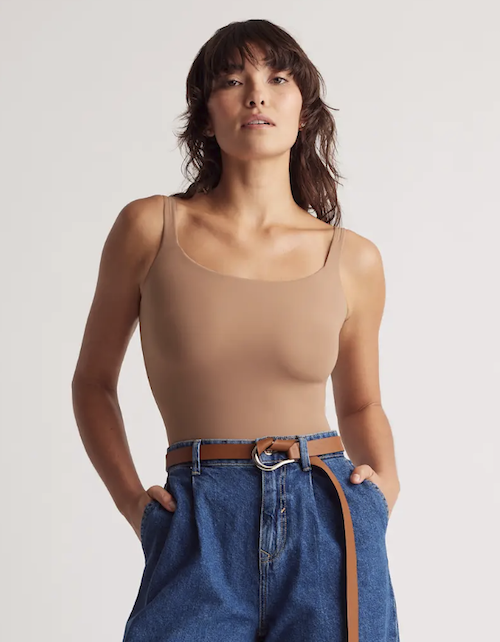
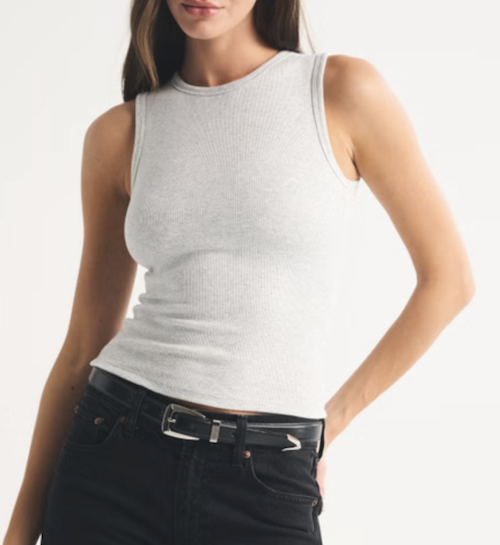
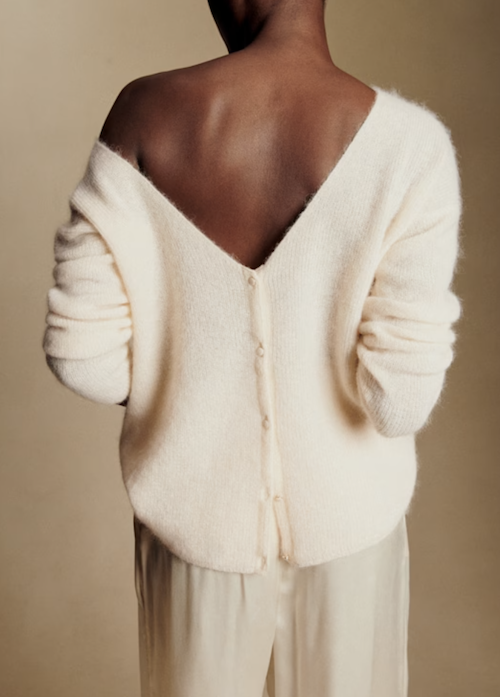
Sezane Barry Cardigan (Reversible!)

Bottoms (7-10)
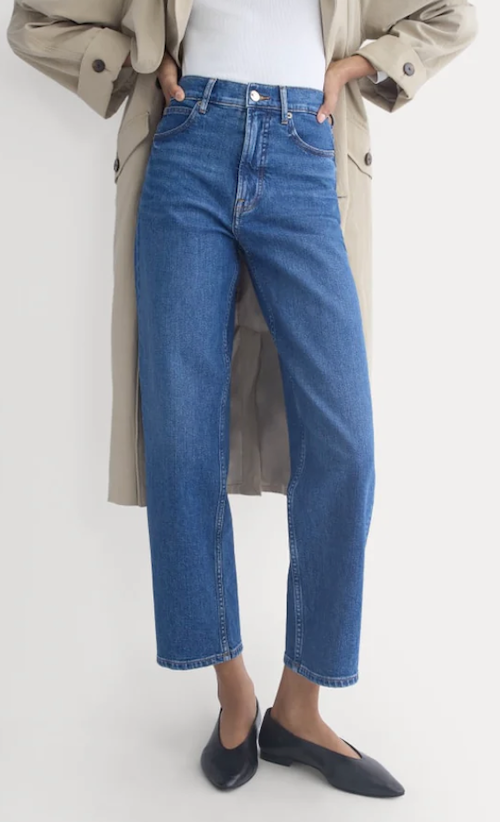
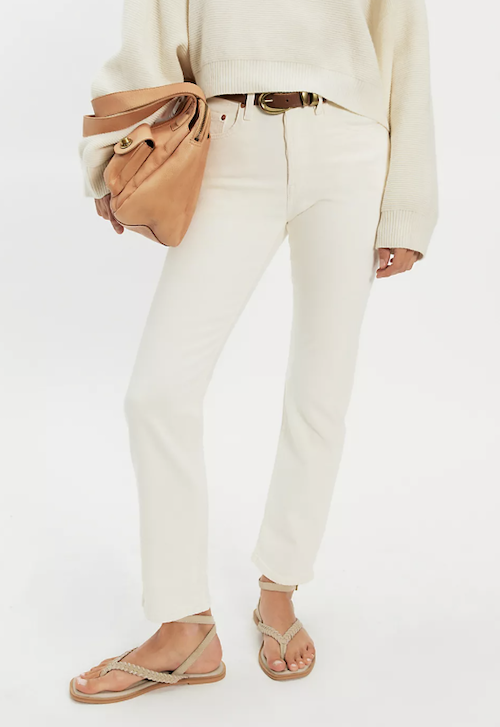
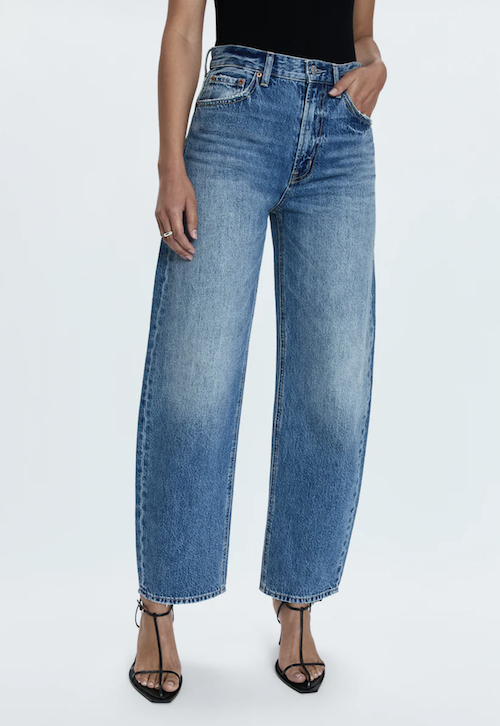
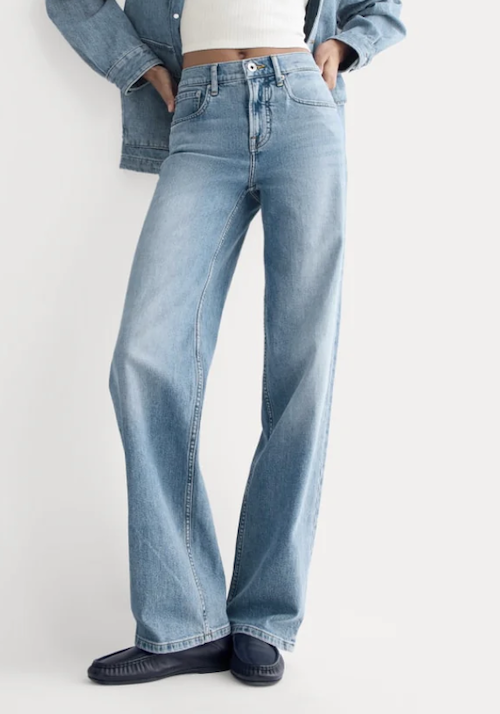
- Everyday denim: A few pairs of jeans in silhouettes and washes you love and reach for regularly. Straight-leg, wide-leg, and relaxed cuts tend to be the most versatile.
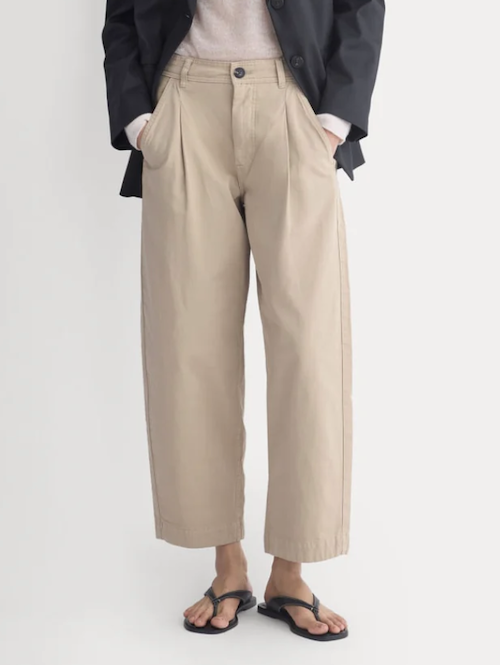
- Trousers: A good pair of trousers can make a simple top look more elevated. Look for clean lines, comfortable fabrics, and a fit that works with both casual and slightly dressier outfits.
- Relaxed pants: Easy styles like linen, chambray, or cotton pants for warmer months or leggings for more casual days.
- Skirt: A neutral skirt is a nice alternative to pants when you want something different. A midi length tends to be the most versatile and can be dressed up or down.
- Shorts: Look for styles that will work beyond just the beach or backyard.
My picks
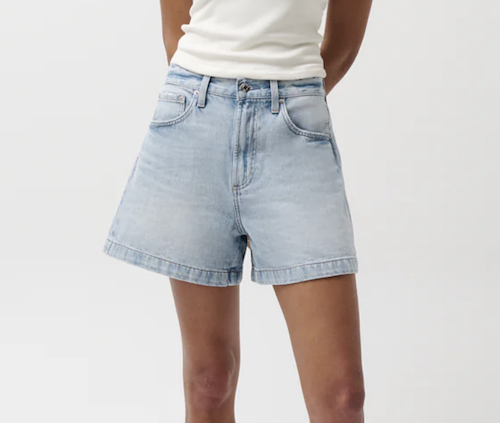
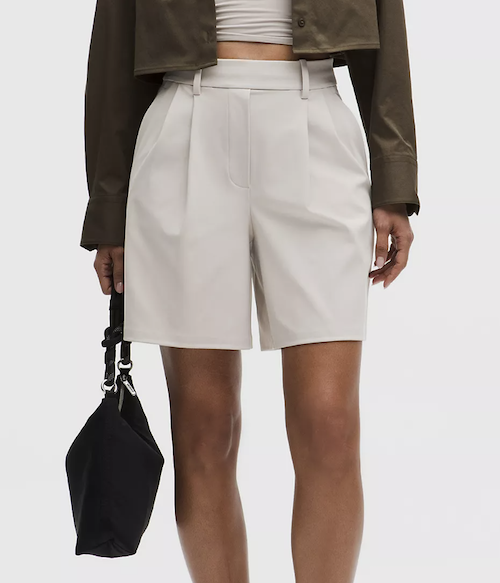
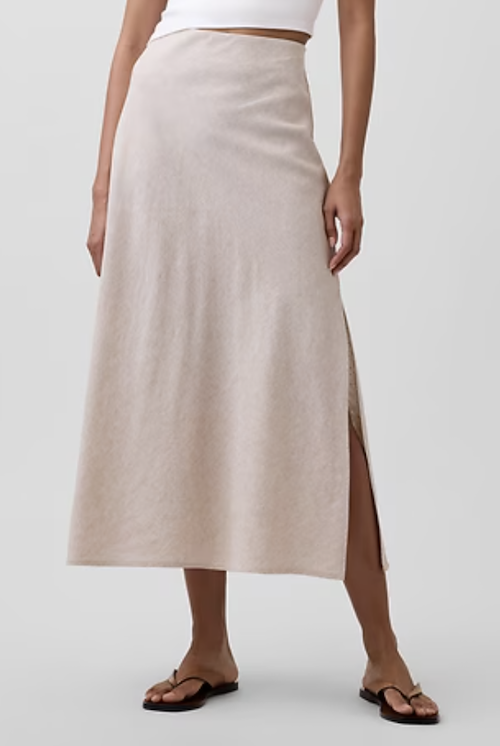
Layers & Outerwear (5-7)
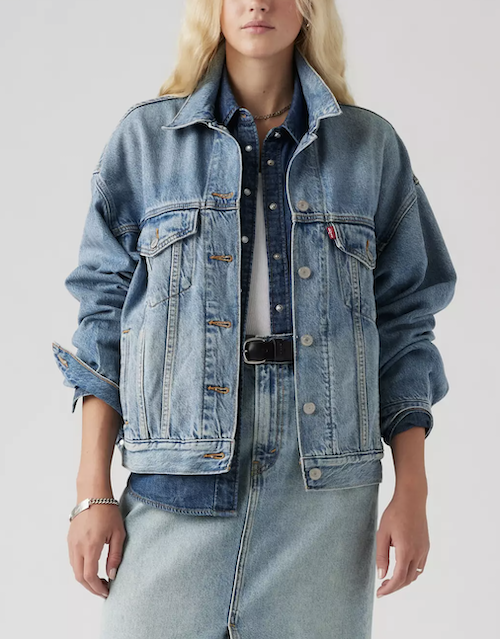
- Blazer and/or denim jacket: A structured layer that can pull a simple tee-and-jeans combination together without much effort.
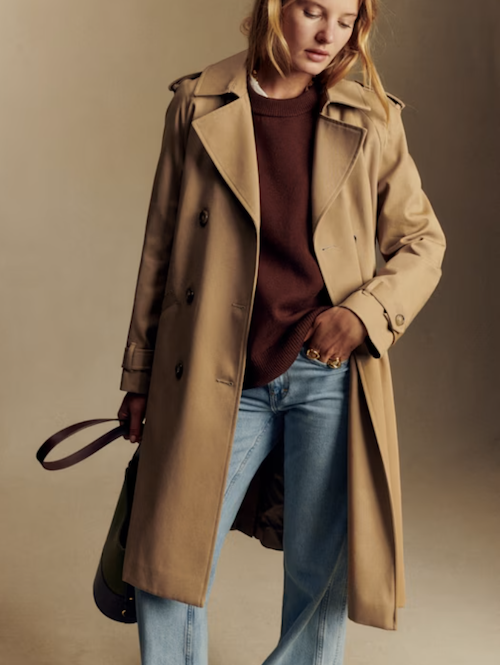
- Transitional jacket: Something for the in-between days when it’s too cool to skip a layer, but not cold enough to need a real coat. A cropped trench or a lightweight parka works great.
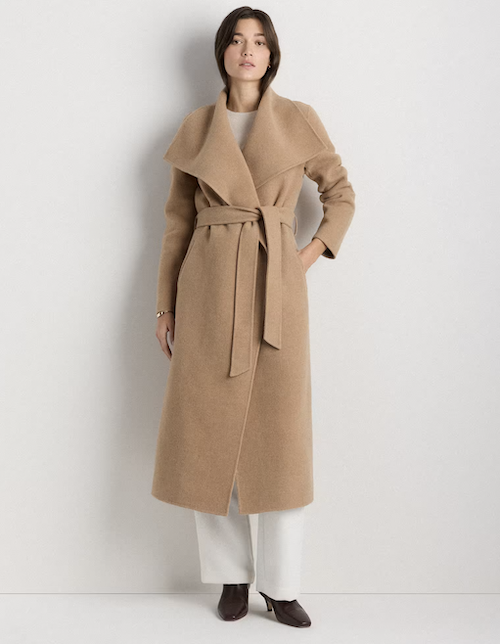
- Great-looking coat: This is the coat that does the heavy lifting, even when you’ve just got leggings and a sweatshirt underneath. Throw on some cute sneakers, a cotton or wool trench on top, and you look like you actually got dressed.
- Warm coat: For when you’re going to be outside long enough to actually feel the cold—a kids’ hockey game, outdoor skating, New Year’s Eve, a day of sightseeing somewhere freezing.
- Climate-specific layers (as needed): If you live somewhere with real winters, you’ll need more variety than someone in a milder climate—a fleece, a ski jacket, a waterproof shell. Dress for the weather.
My picks
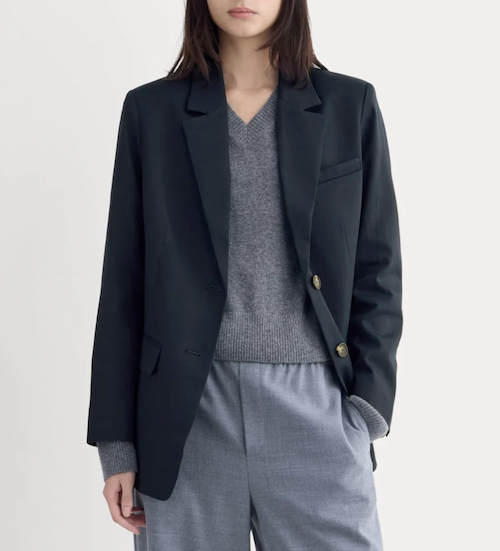
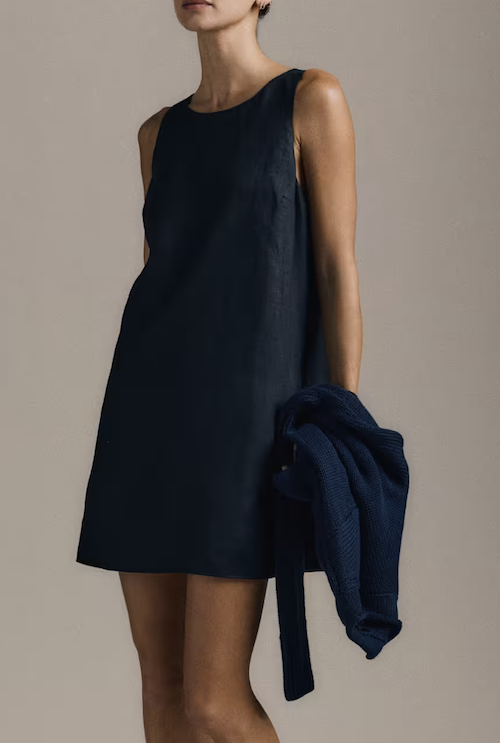
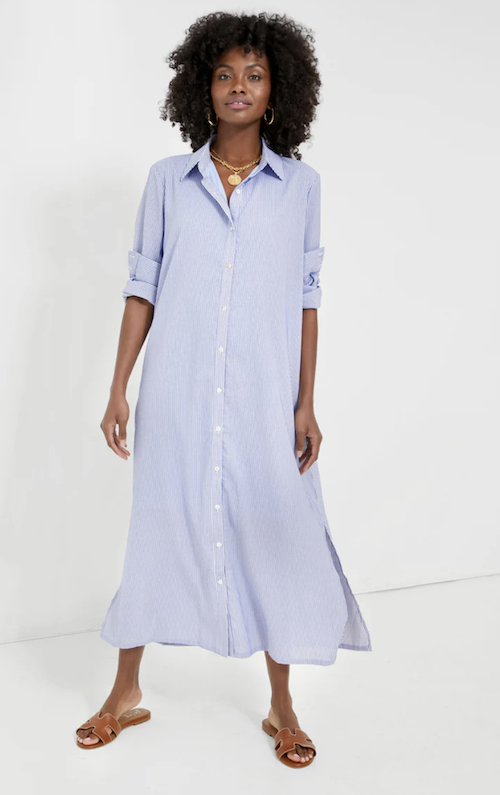
Dresses (1-3)
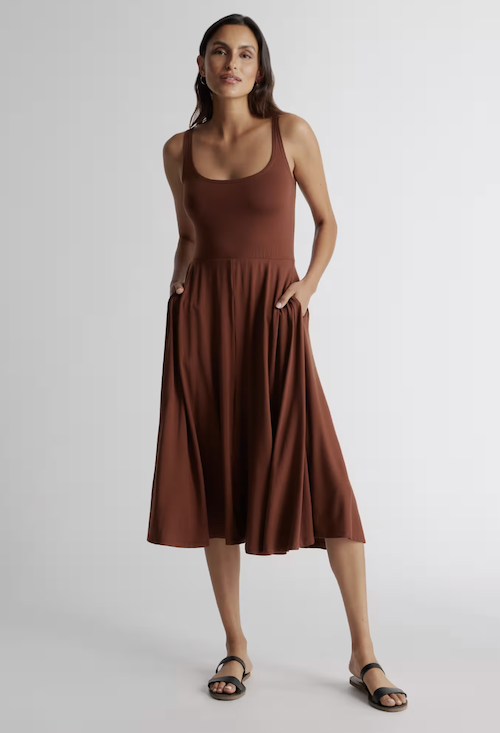
- Easy everyday dresses: Comfortable, throw-on styles that don’t require much thought. Look for flattering silhouettes in breathable fabrics like cotton, linen, or soft knits.
- A dressier option (optional): For dinners, gatherings, or any occasion when you want to look a little more put together.
My picks

Shoes (7-10)
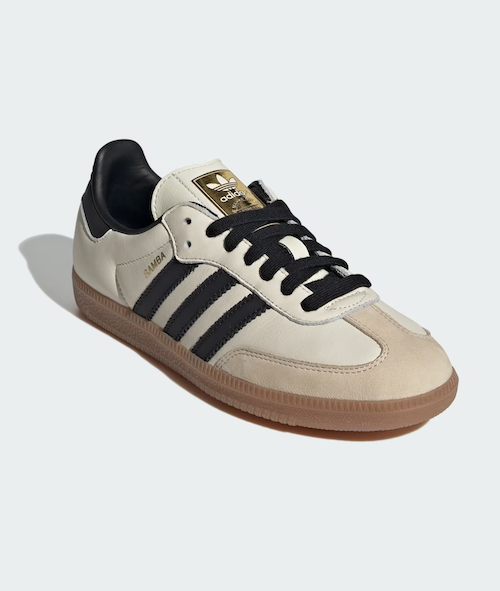
- Neutral sneakers: Look for simple styles in neutral tones that pair easily with jeans, dresses, or relaxed pants.
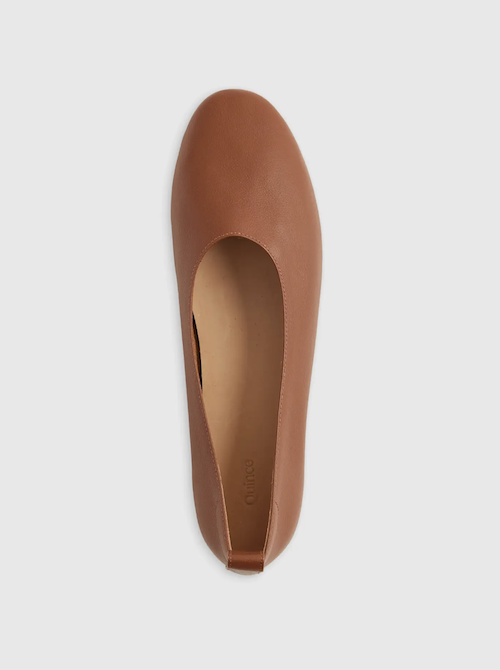
- Everyday flats: A comfortable step up from sneakers for days when you want something a little more refined. Think ballet flats, loafers, or mules. Lean into the neutral tones you have most in your wardrobe (brown, black, taupe, cream, white).
- Strappy sandals: Simple leather sandals for warm-weather outfits. Gold, silver, or skin-toned leather goes with pretty much everything.
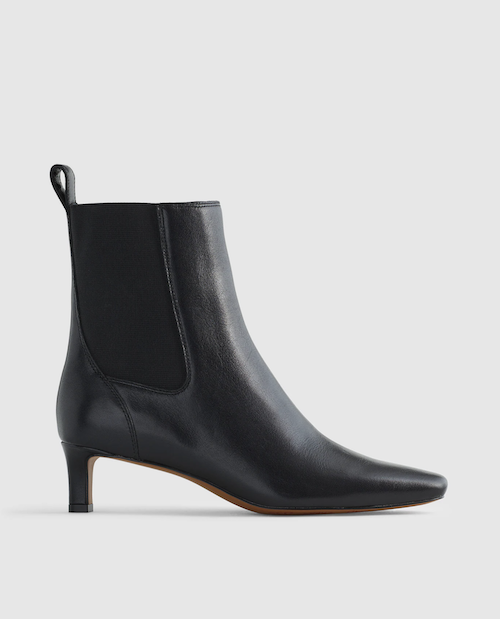
- Boots: A fall-through-spring staple that works with everything from jeans and trousers to long skirts and dresses. I prefer boots with a slightly higher, ankle-hugging shaft so they fit easily under most bottoms.
- Dressier heel or sandal: A simple, neutral heel or wedge for weddings, dinners, or events when you want (or need) to dress up.
My picks

Accessories (10-20)
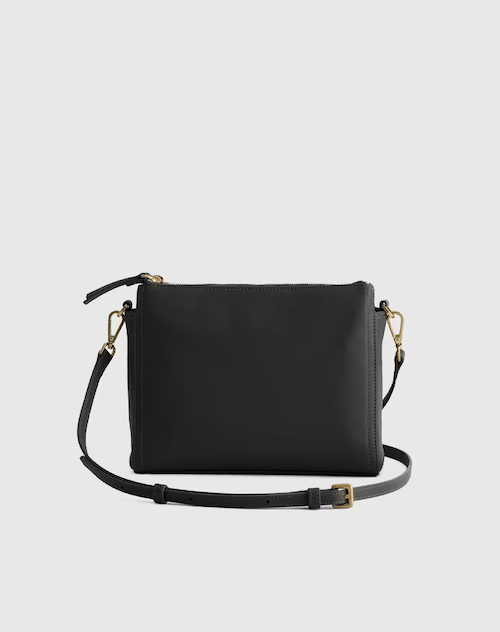
- Crossbody or handbag: A neutral crossbody for most days and a tote for when you need to carry more. Look for colors that work across your whole wardrobe — taupe, tan, black, cream, and cognac tend to be the most versatile.
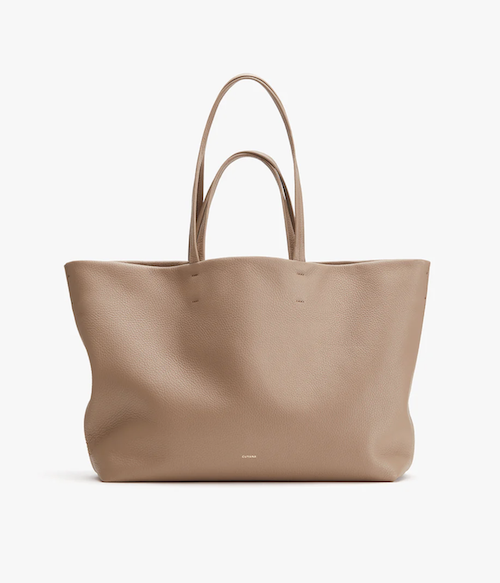
- Tote bag: A roomy everyday bag for the days when a crossbody just isn’t enough. Look for a neutral-toned leather or canvas style that works with most of your outfits.
- Occasion bag: A small clutch or evening bag for dinners, events, or anywhere your crossbody feels like too much. A neutral leather style in cream, black, or cognac works with almost everything.
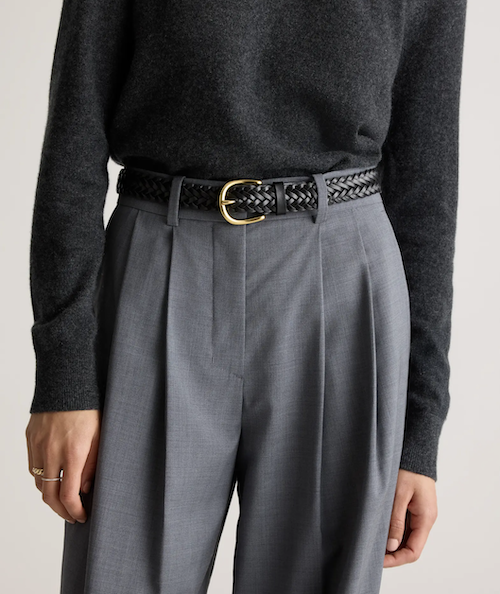
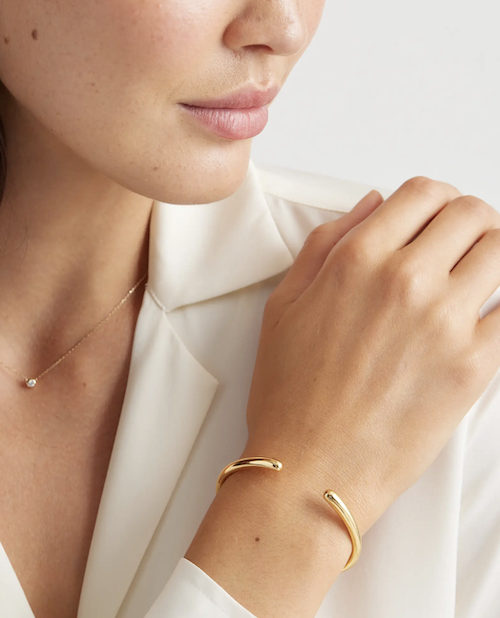
- Everyday jewelry: A small collection of pieces will go a long way. Figure out whether gold or silver suits your skin tone before buying more.
- Sunglasses: Neutral frames (brown, black, tortoise) will work with most outfits.
- Scarves: Scarves are one of the easiest ways to add color, texture, or a little personality to an otherwise simple outfit. I like a lightweight cotton or silk scarf for spring and summer, and a chunkier blanket scarf for fall and winter.
My picks
How color and personal style shape your minimalist wardrobe
For years, I hunted for the perfect black blazer. I ordered, tried on, and returned more than I’d like to admit. Eventually, I realized the problem wasn’t the blazer; it was the color.
That realization changed everything.
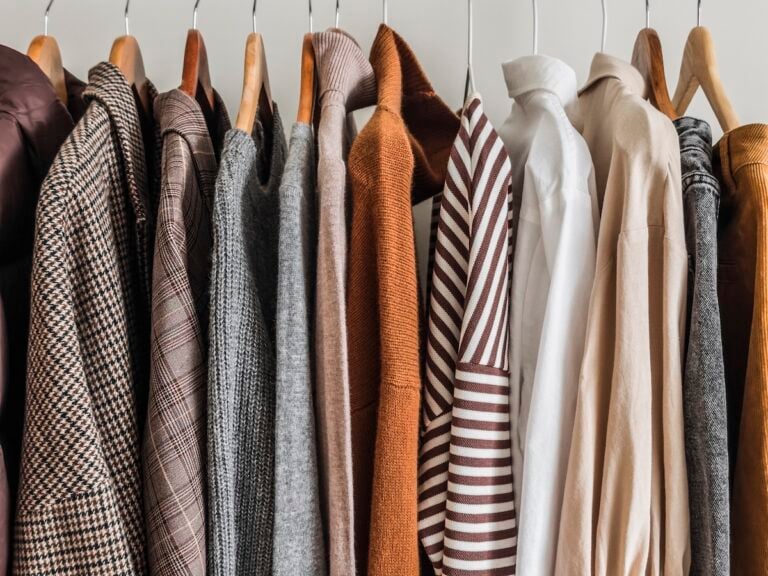
A little color analysis goes a long way. I decided to DIY my own and went down countless Pinterest and YouTube rabbit holes before figuring out my season (True Spring), and it genuinely changed how I shop. French blue, warm brown, oatmeal, mustard yellow, spring green, red-orange, these are the colors I reach for now, and it’s made all the difference.
Once you know your colors, your wardrobe starts to feel more cohesive, decluttering gets a lot easier, and you’ll find yourself walking (or scrolling) right past anything that isn’t in your palette.
But color is only half of it. Personal style matters just as much. Just because every influencer says you need a black blazer (or wide-leg trousers, or a white button-down) doesn’t mean you do. I once bought a pair of black leather trousers only to realize they were absolutely not me. Build around what you actually wear, not what you think you should own.
Download the free minimalist wardrobe checklist
If you want a printable version of this checklist for your next closet audit, grab it below—it’s free!
And if you’re ready to go beyond the checklist and start simplifying your wardrobe, my guide on how to build a capsule wardrobe walks you through the process, step by step.

Im loving this so much! I love the suggested lists and picks! I want to know more about how to do my color analysis but I don’t see the link.
The daunting challenge of slimming down my wardrobe turned out to be incredibly liberating, thank you for sharing this journey!
I would love to have a capsule wardrobe for Spring/Summer 🙂
This was helpful. Thanks to whoever made this educated website. I learned n minimized all my laundry. Having less laundry makes it so much easier. I was so overwhelmed n stressed on my whole wordrobe. Now I’m NOT overwhelmed n stressed anymore. I give this page 5⭐’s up.
in an arena flooded with capsule wardrobe ideas, this is one of the best. Thanks.